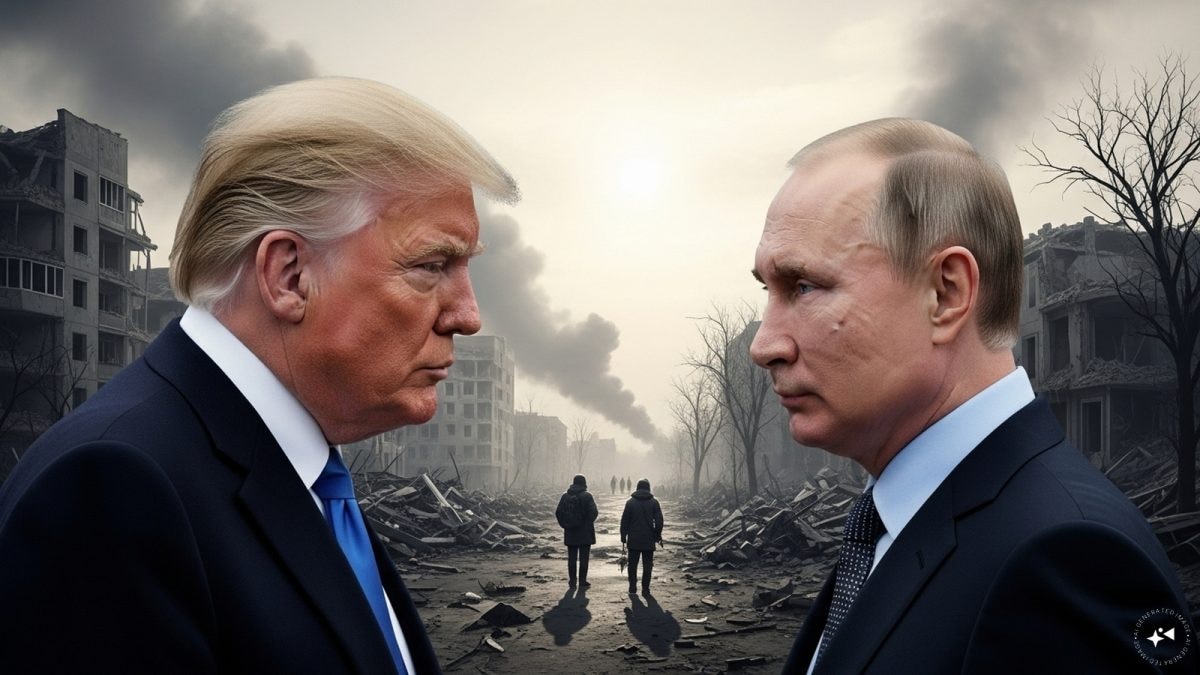
As the conflict in Ukraine persists into its fourth year, the US and EU turn to escalating sanctions in hopes of swaying Russia. Yet, the efficacy of such measures in compelling Vladimir Putin towards negotiation remains under scrutiny.
Both the Biden and Trump regimes have leaned heavily on economic strategies, believing sanctions to be the key in coaxing Russia amid the Ukrainian turmoil. However, as we tread well into the fourth year, there’s a lingering question: Can increased sanctions truly undermine the Kremlin’s resolve, or do Western expectations lie misplaced?
US reluctance and hope for secondary sanctions
Pressure mounts upon the US to strengthen its economic stance. However, Washington displays caution in unleashing the very harshest of measures. Experts note that by mid-2025, the US had sanctioned fewer Russian vessels compared to the EU and UK. This raises questions about Washington’s steadfastness in the disparate approaches towards Russia.
The perceived threat of US “secondary sanctions” looms large in global markets, often more unsettling than EU measures. This specter compels nations and enterprises to steer clear of Russian oil links. Nonetheless, limitations exist. The IMF notes Russia’s GDP grew by 3.6% in 2024, propped up by military spend and trade outside Western spheres.
The new push: Sanctions on oil and shadow fleets
Scott Bessent, the US Treasury Secretary, remarked on NBC’s Meet the Press that bolstering and synchronising sanctions, with European unity, might draw Putin to negotiating. He advocated for secondary measures on nations purchasing Russian oil, insisting on deeper transatlantic unity. Europe, meanwhile, continues to press for intensified penalties targeting “shadow fleet” tankers and financial facilitators.
Germany and France back the EU’s 18th sanctions package earnestly. The endeavour comes amidst the protracted war, with prior sanctions yielding mixed outcomes. Despite over 16,000 restrictions, asset freezes, and halting access to pivotal tech, Russia’s economy demonstrates unexpected resilience.
A pivot to wartime economy dynamics, coupled with expanded trade relations with China and India, resulted in economic growth. While the initial forecasts of quick economic collapse were incorrect, the enduring damage is visible.
Are sanctions working? The evidence so far
Sanctions indeed leave a mark. The EU’s “dynamic” oil price cap, set 15% beneath global averages, cuts into Russian revenue streams. Banking, tech, and energy sectors reel under pressure, with consumer incomes down by a quarter and GDP sliced by approximately 10-12% relative to pre-war trends. Central bank reserves remain inaccessible, leading to shortages in vital sectors like aviation and pharmaceuticals.
Nonetheless, Moscow exhibits resilience. Oil revenue sources have shifted eastward to India and China. These nations now transact largely in yuan and rubles, sidestepping Western financial bottlenecks. The Kremlin leverages its resource exports, manipulating gas supplies to Europe. Despite 18 sanction rounds, Russia’s economy, though battered, persists on war expenditure and new trade channels.
For further insights, you may explore related sources on strategic economic sanctions, EU’s sanction policies, and Russia’s economic strategies.
With the landscape as it is, experts and policymakers ponder: Are sanctions the scalpel to cut through the stalemate, or do they merely sharpen Moscow’s resolve?