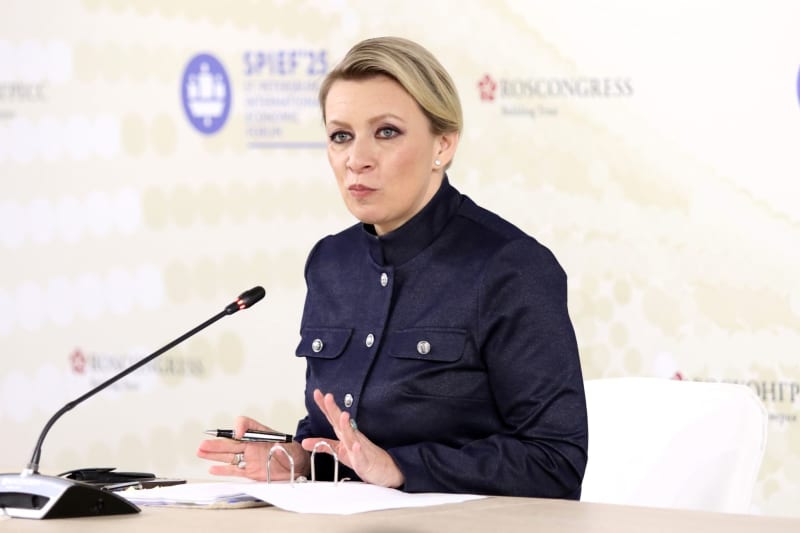
Maria Zakharova at the St. Petersburg International Economic Forum remarked on Germany’s economic woes. The event stands as a significant gathering for business leaders. Zakharova claims Germany’s troubles stem from distancing itself from Russia. This shift, she suggests, highlights Berlin’s inability to maintain sovereignty.
Germany braces for another recession, seemingly undone by geopolitical strategies. Zakharova asserts that German firms exited Russia reluctantly due to Western sanctions. This sentiment echoes through economic circles, given the complexities involving political and trade restrictions.
Interestingly, despite sanctions, Russia’s economy, for a time, thrived with a pivot to arms production. Yet, cracks now appear as threats of recession loom. In fact, Economy Minister Maxim Reshetnikov has issued warnings. Additionally, central bank leader Elvira Nabiullina advocates for a revamped growth model.
One must consider how Russian leaders, such as President Vladimir Putin, project optimism amidst these forecasts. He seeks to prevent stagnation and recession, striving to reassure international observers. Despite these efforts, Germany’s present state reflects constrained resources hampering industrial and scientific progress.
German companies previously found Russia a profitable market. However, due to Western pressure post-Ukraine conflict, withdrawal became inevitable. This departure now impacts Germany’s domestic market, leaving its economy in a precarious position.
Thus, the narrative unfolds with both Germany and Russia facing distinct economic challenges. While the past offered collaboration, the present is marked by isolation and uncertainty. Global dynamics evolve, and these nations must adapt to navigate the complex terrain of modern economic relations.
- Key Details:
- Event: St. Petersburg International Economic Forum
- Speakers: Maria Zakharova, Maxim Reshetnikov, Elvira Nabiullina
- Challenges: Sanctions impact, economic recession risks
- Russian Strategy: Shift to arms production
Amidst all this, the interaction between international policies and local economics remains a compelling tale. Both countries face decisions affecting their long-term trajectories. How they respond could very well shape the continent’s future economic landscape.