Ah, the winds of change are certainly blowing in India. The country has now surpassed Japan to become the world’s fourth-largest economy, as proudly outlined in New Delhi’s latest economic review. This stride showcases India’s robust growth momentum, setting the stage for further ascension in the global economic pecking order.
The review highlights India’s GDP at an estimated $4.18 trillion. This places it just behind the economic giants of the United States, China, and Germany, as detailed by dw.com. Indian policymakers are quite optimistic, anticipating they may overtake Germany within a mere three years, clinching that coveted third spot.
Fueling this ascent is an acceleration in economic expansion that has outpaced earlier forecasts. India saw a real GDP growth of 8.2 percent in the second quarter of the 2025–26 fiscal year. This represents the most vigorous performance witnessed over the past six quarters. The resurgence is being powered by sturdy domestic demand, with private consumption spearheading the charge, despite persistent global trade uncertainties.
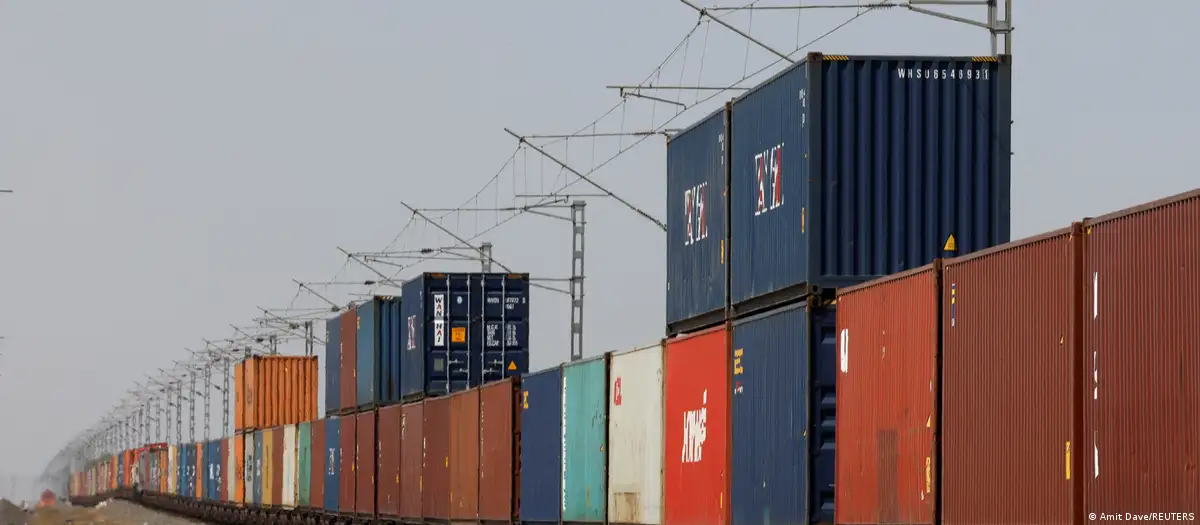
Additionally, the export sector has exhibited renewed vigour. Merchandise exports surpassed $38 billion in November, buoyed by strong demand for engineering goods, electronics, pharmaceuticals, and refined petroleum products. This diversification has deftly shielded the economy from external jolts.
Ever optimistic, the Reserve Bank of India has revised its full-year growth forecast to a cheery 7.3 percent. This change conveys confidence in the nation’s macroeconomic foundations. Government economists have hailed this phase as a remarkable period of balance—boasting robust growth with relatively well-contained inflation. This has been driven by healthier corporate balance sheets, consistent credit availability, and years of structural reform.
Peers and prognosticators are watching closely as projections suggest India’s GDP may soar to $7.3 trillion by 2030. Such growth would see India emerging as the globe’s third-largest economy, surpassed only by the US and China. However, officials caution against being blinded by sheer economic size, as deeper challenges persist.
Indeed, despite impressive aggregate output, India’s per capita income still lags behind that of more advanced economies. Average earnings remain a mere fraction of those enjoyed in Japan and Germany. This underscores the vast development needed to translate national growth into widespread prosperity.
Furthermore, India’s demographic landscape offers both opportunities and challenges. Over a quarter of India’s 1.4 billion citizens are between the ages of 10 and 26. Hence, creating jobs is a pivotal policy challenge. The government acknowledges that sustaining growth hinges on generating employment that can absorb this burgeoning workforce.
Recent initiatives, such as tax relief and labour reforms, aim to sustain consumption and boost competitiveness. Yet, challenges remain, including currency pressures and global trade tensions. Long-term investment is crucial for enduring stability.
Nevertheless, officials insist India’s trajectory signals a structural shift rather than a mere temporary surge. It’s a decisive leap towards India’s goal to stand at the forefront of global economic powers by the centenary of its independence in 2047.
| Indicator | Current Level | Projected Level by 2030 |
|---|---|---|
| GDP (Trillion USD) | 4.18 | 7.3 |
| Global Rank | 4th | 3rd |
For further insights, you might consider exploring related analyses on sites such as The Economist and Financial Times.