With the clock ticking down to the first World Cup match at MetLife Stadium, hotel bookings are rather lacklustre, casting doubt on the anticipated $3 billion economic boost. The expectation was high, with Mayor Zohran Mamdani suggesting that the Cup could be an immense boon for the city’s economy.
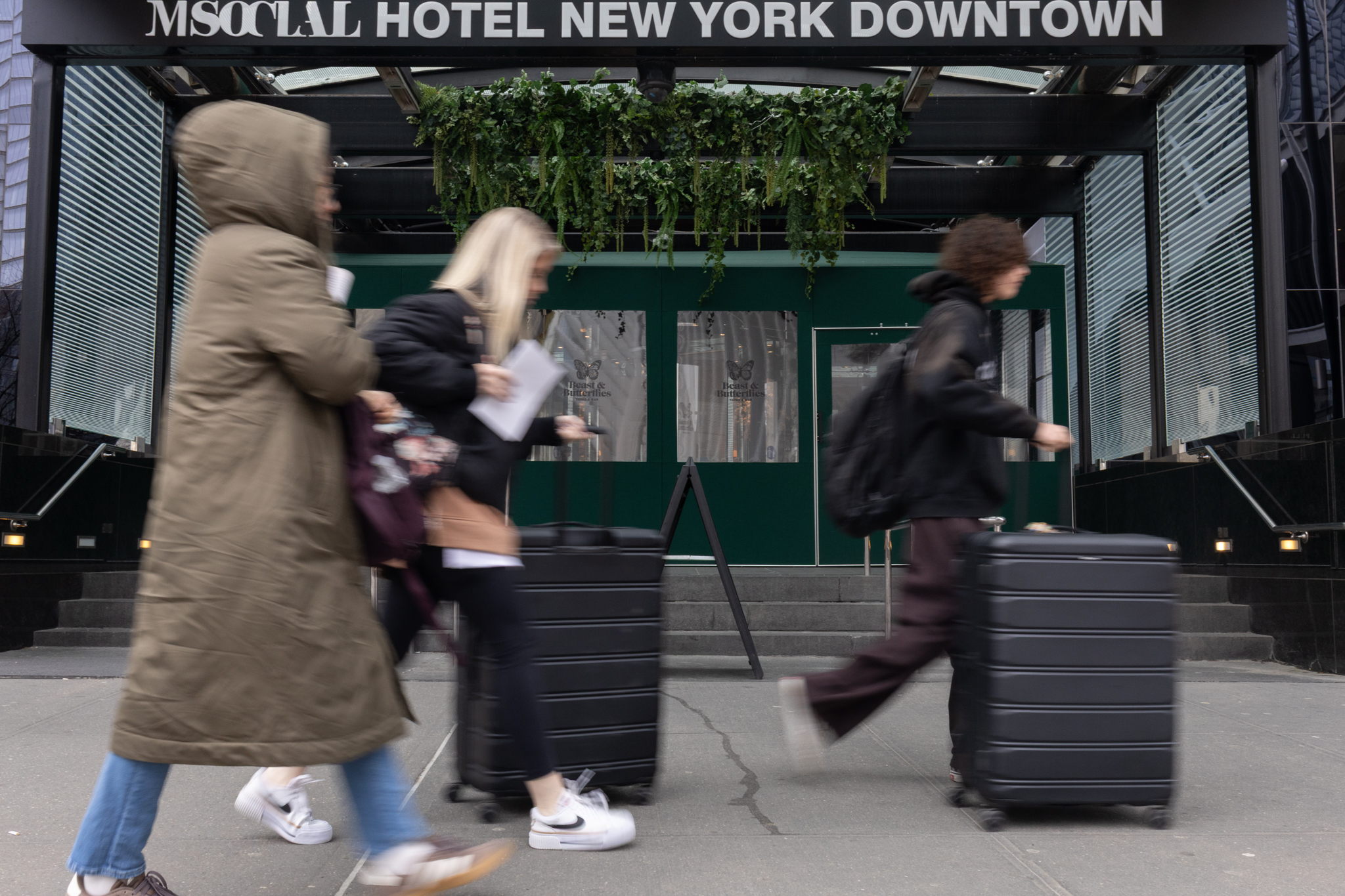
However, reservations for New York during the World Cup weeks are actually 2% below what they were for the same period in 2025, a year with no major events.
City Hall spokesperson Cassio Mendoza disputes such pessimistic numbers from the comptroller, highlighting the broader impact beyond mere numbers.
Moreover, NYC Tourism + Conventions seems hopeful, reporting that a significant number of travellers have intended to attend but simply haven’t firmed up plans yet. They anticipate a rush following ticket sales in April.
Current hotel pricing could indeed play a part. For instance, the Midtown Hilton jumps from $379 to $533 a night before the first match, hitting $627 prior to the final match.
FIFA had high hopes — predicting $3 billion in economic activity with 1.2 million visitors spending $1.7 billion, supporting 26,000 jobs, and generating $432 million in tax revenue.
However, sports economists have criticised these forecasts as overly optimistic. Many tickets are expected to be locally purchased, save potentially for the final match. Hence, thrifty tourists might be hunting for cheaper stays.
Victor Matheson, a sports economist and football aficionado, is opting to lodge at inexpensive motels, favouring them over the $500-a-night options for games far from his Boston home.
Meanwhile, external factors, like travel policies from the previous administration, may also affect attendance, though officials are loath to address it directly.
NYC’s tourism agency remains hopeful, while experts like Vijay Dandapani, CEO of the Hotel Association of New York City, remind us that mega events rarely sustain local hotel market booms. Prices can fall towards the event’s approach despite hotels’ attempts at inflating rates.
Increased costs have strained hotel finances since the pandemic, with rising expenses outweighing the gains in room rates. This situation is complicated by an upcoming contract negotiation with the hotel union, known for increasing wages to impressive levels, like $82,000 annually for housekeepers before overtime.
Palmeiras and Porto will clash at MetLife Stadium this June. Credit: A.RICARDO/Shutterstock
Julie Coker of NYC Tourism + Conventions is hopeful, observing travellers’ plans to confirm bookings post the April sales phase. Yet, the city’s comptroller projects only $55 million in additional tax revenue, requiring $70 million in added expenditures for public services.
Despite all this, there’s optimism among some in the hospitality industry. Sarah Bratko from the American Hotels & Lodging Association recognises that while they are not at the desired point yet, there remains plenty of potential moving forward.
Ultimately, the World Cup is indeed about more than just financial gains. It’s a grand occasion to showcase New York to the global stage, tightening the cultural bonds within the city’s neighbourhoods.
Related Information
For an in-depth exploration of World Cup Economic Impacts, you might want to check these articles from The Guardian and BBC Sport.