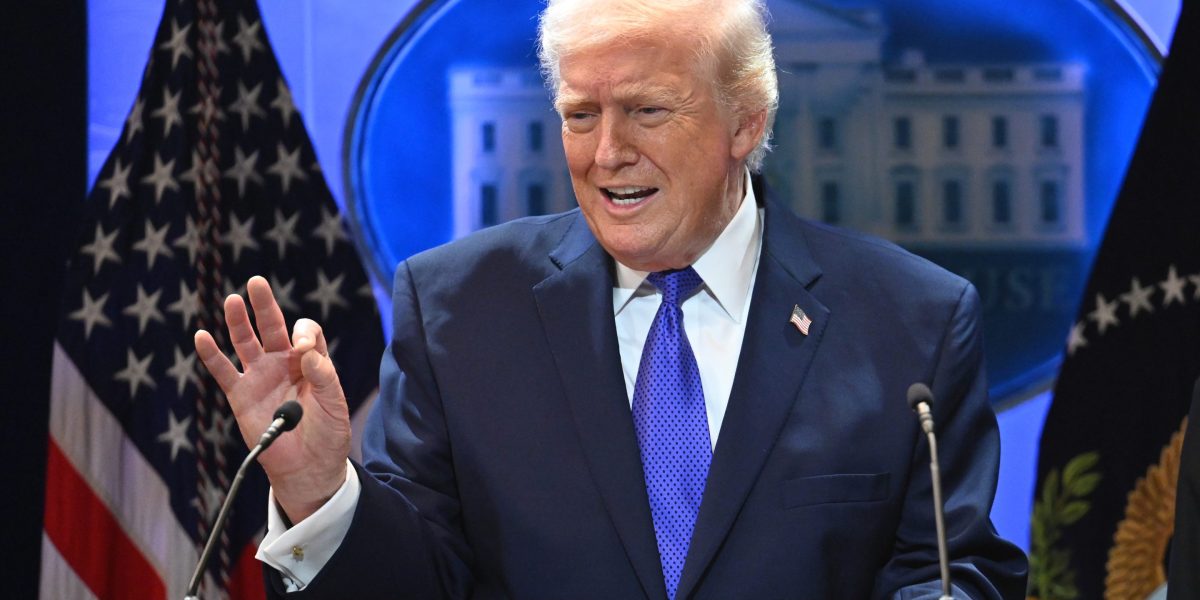
President Trump, during a recent visit to Georgia, told his supporters, “I inherited a mess.” He was referring, of course, to the U.S. economy. He boldly claimed, “The Democrats caused the affordability problem, and we’ve solved it!” Just a couple of days before, on Fox Business, he declared, “I think we have the greatest economy actually ever in history.”
Such grandiose statements come as no surprise, particularly as we’re on the cusp of the mid-term elections. The economic narrative often plays a pivotal role, as history tells us. It seems the economy is the number one issue, yet many voters don’t feel it’s in tip-top shape. It’s quite the conundrum because you see, you can’t simply convince dissatisfied voters that they’re actually enjoying prosperity. Humans tend to trust their feelings over someone else’s assurances.
When we peek at the numbers, the U.S. economy might not be the absolute best, but it’s hardly dreadful. Adjusted for inflation, last year saw a tidy growth of 2.2%, surpassing the predictions of many economists. Unemployment remains low at 4.3%, with wages ticking upwards, albeit not dramatically.
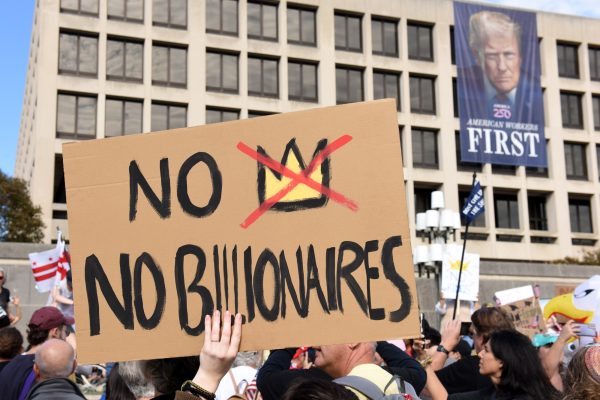
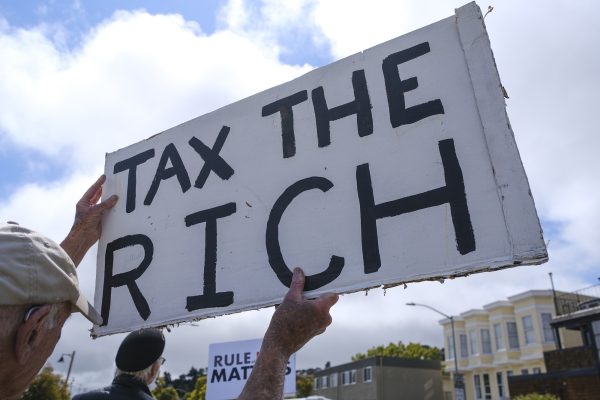
However, it’s how voters feel that truly matters in politics. And, well, they don’t seem overly chuffed. The University of Michigan’s consumer sentiment survey shows a drop of about 20% since Trump took office. Interestingly, the sentiment has improved for those with hefty stock portfolios. Joanne Hsu, the survey director, noted this surge, while sentiment stagnated for those less fortunate.
So, why the disconnect? Why do multitudes think the economy’s rotten when the figures don’t necessarily bear it out? Our brains, dear reader, are programmed to focus more on the dire than the delightful. For instance, in the early 1980s, inflation soared to dizzying heights, embedding itself in public memory. Even by mid-1985, when inflation plummeted to 3.8% from a towering 14.8%, a significant portion of the populace still viewed it as the nation’s foremost issue, according to Gallup.
This isn’t an anomaly. Research has shown we’re twice as inclined to avoid negative outcomes as we are to pursue positive ones of equal measure. This predisposition means we cling to memories of economic hardship. Last year, prices of essentials like beef and dairy soared. This stickiness of bad memories often eclipses the knowledge that prices of some fuels, like gasoline, actually fell. Would your mates know that off the top of their head?
Consider, if you will, the 1992 election as a harbinger of what might transpire. President George H.W. Bush, after emerging from a mild recession, touted the booming economy, but Bill Clinton, with his empathetic “I feel your pain” approach, won the day. He effectively tapped into the emotional core of the electorate.
Trump isn’t on this year’s ballot, and there’s been no recession in the past year. But it’s worth noting that attempts to convince the public of a historic economic boom, contrary to their intrinsic feelings, might present a bumpy path if the goal is to maintain Congressional control.
On another note, do consider joining us at the Fortune Workplace Innovation Summit on May 19–20, 2026, in Atlanta. This high-energy gathering promises to unveil how AI, human artistry, and strategic planning are shaping the future of work. Top innovators will be there; you ought to be, too. Register now.