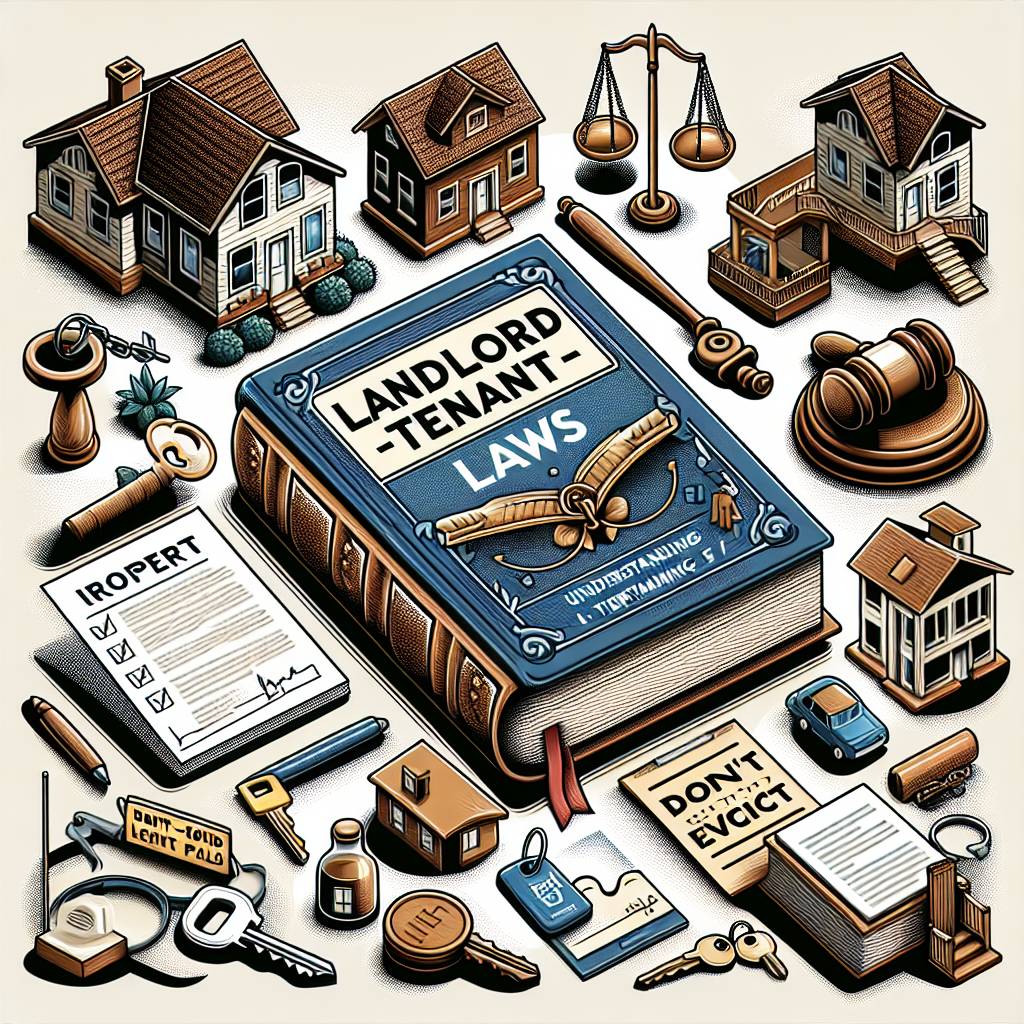
Understanding Landlord-Tenant Laws: A Guide for Property Managers
Navigating landlord-tenant laws ain’t a walk in the park. Whether you’re a seasoned property manager in Brooklyn or just got your first building in Queens, you gotta know your stuff. Let’s dive into the essentials, break down some details, and figure out what’s what in this crazy world of property management.
Contents
The Basics
Landlord-tenant laws vary across the country. Hey, what works in Harlem might not fly in Houston. These laws cover everything from security deposits to eviction procedures, helping keep both parties in check. Understanding these regulations is crucial to avoid legal pitfalls.
Key Responsibilities
Landlords:
- Ensure properties are habitable.
- Respect tenant privacy.
- Handle repairs promptly.
Tenants:
- Pay rent on time.
- Keep the property in good condition.
- Follow lease terms.
Leases and Rental Agreements
These documents are the backbone of any renting situation. They set the rules, from who’s paying the heat to what Fluffy can and can’t scratch.
Important Clauses
- Duration: Defines the lease term. Is it month-to-month or a year-long gig?
- Rent Details: Amount, due date, and late fees.
- Security Deposit: How much, where it’s held, and conditions for return.
- Maintenance Responsibilities: Who’s handling what around the joint?
- Termination Conditions: How do you break up if things go south?
Make sure you craft these agreements with care. Often, online resources like the Legal Information Institute can provide templates and advice.
Table: Breakdown of Landlord-Tenant Laws
| Aspect | Landlords’ Responsibilities | Tenants’ Responsibilities |
|---|---|---|
| Lease Agreements | Create clear, lawful agreements | Understand and adhere to terms |
| Security Deposits | Store securely, follow return laws | Provide full deposit, abide by terms |
| Maintenance | Ensure property is livable | Report issues, keep clean |
| Evictions | Follow legal process | Comply with laws, vacate if evicted |
| Rent Collection | Collect timely, follow rent laws | Pay on time, avoid violations |
Common Pitfalls
Making a mistake in property management can cost you big bucks. Trust me, you don’t want to get tangled up in lengthy legal battles.
Ignoring Local Laws
Having a grasp of federal laws is nice, but you gotta dig into local regulations. Zoning laws, rent control ordinances, and eviction procedures can vary wildly across neighborhoods. Always keep your ear to the ground.
How do I keep up with changing laws?
Knowing your city’s regs isn’t enough. These laws shift over time. Joining local property manager associations can keep you in the loop. Plenty of online resources like Nolo keep you updated as well.
Not Documenting Everything
Always get stuff in writing. Verbal agreements are worth about as much as a subway token at a bus stop. Documenting interactions, payments, and repairs saves hassle later.
Eviction Process
Evictions aren’t fun for anyone, but sometimes they’re necessary. You’ve gotta do it by the book, though, or risk getting yourself into legal hot water.
- Notice to Quit: Give your tenant a heads-up. This could be for non-payment or breaking the lease.
- Filing a Complaint: File it with the local court and notify your tenant.
- Court Hearing: Present your case. Make sure you’re prepared with all documents.
- Eviction Order: If successful, a legal order allows you to remove the tenant.
For more detailed guidance, check out this blog post on eviction processes.
What if a tenant refuses to leave?
If they dig their heels in, you gotta step back and let the court do its job. No DIY evictions. Work with the authorities and follow legal channels.
Understanding Fair Housing Laws
It’s 2023, folks. Discrimination’s got no place in our business, or anywhere else. Federal and state laws protect against housing discrimination based on race, religion, sex, and more.
Key Points
- Advertise openly and fairly.
- Evaluate applications without bias.
- Provide reasonable accommodations.
How do I ensure compliance?
Training’s your best friend. Regular sessions on fair housing laws keep you and your team sharp. Resources from the U.S. Department of Housing and Urban Development are invaluable.
Tenant Rights
Your tenants have rights, and let me tell you, they’re pretty serious about ’em. Knowing these rights can help manage disputes better.
- Right to Privacy: No unexpected pop-ins. Notice must be given.
- Right to a Safe Environment: Habitability is a must.
- Protection against Retaliation: Can’t boot ’em for complaining.
For more on tenant rights, this insightful article is a solid read.
Rent Control and Regulation
In the Big Apple, rent control is a big deal. But not every place is the same, so know your area’s rules.
What is Rent Control?
It’s a regulation limiting the amount landlords can raise rent. Some areas have strict controls, while others are more relaxed.
How do I handle rent disputes?
Stay calm and communicate. If a tenant challenges an increase, provide documentation showing compliance with local laws.
Reduce Risk
Property management is risky business. Between tricky tenants and constantly changing laws, you’ve gotta stay vigilant.
Screening Tenants
Check credit reports, references, and employment history. This can save headaches later on.
Regular Inspections
Keeps properties in shape and ensures lease compliance. Schedule them and give proper notice.
Question Time
What are the consequences of violating landlord-tenant laws?
Violation of these laws can lead to hefty fines, lawsuits, or even loss of property management licenses. A minor oversight or misunderstanding can spiral into court battles and negative reputations. Some cities may impose daily fines for recurring violations, doubling the financial burden.
How do I handle tenant disputes efficiently?
First, listen, then document everything. Understanding the issue allows you to address it properly. Mediation services can be handy if discussions go sideways. Persistent issues may require legal advice or involve local housing authorities.
How can technology aid in managing landlord-tenant laws?
Tech can streamline almost any task. Property management software can track rent payments, contracts, and maintenance requests. Automated reminders ensure you’re never late on deadlines, and secure storage keeps vital documents safe. Use online platforms to stay updated on legal changes.
With these tools and tips, property managing in New York—or wherever you hang your coat—gets a whole lot easier. Keep learning, stay connected, and help foster a community where landlords and tenants work together like a dream.