The global economic landscape is experiencing a significant transformation, moving away from the ideal of free trade and into a more fragmented arrangement. This change, marked by rising protectionism and geopolitical tensions, is reshaping the world’s trading systems. Small players like Bangladesh stand to either gain or struggle, depending on their approach to these shifts.
The post-WWII era was a turning point. New international institutions emerged, implementing legal obligations on member countries to prevent another 1930s-like economic downturn. These efforts, coupled with technological advancements, ushered in an era of free trade that seemed unassailable. The establishment of the GATT (General Agreement on Tariffs and Trade) and its successor, the World Trade Organization (WTO), further catalyzed global trade growth.
China’s entry into the global trade network added fuel to this engine. Joining the WTO in 2001, China transformed into a manufacturing powerhouse. Its share in global production rose from a mere 5% in 1995 to a staggering 28% by 2023. By 2025, China accounted for about 30% of global manufacturing, surpassing the combined output of the US, Japan, and Germany. You can read more about China’s dominance in this enlightening piece.
Nevertheless, free trade hasn’t been without its critics. Many argue it leads to concentrated losses in certain sectors despite broad benefits like lower consumer prices. Renowned economist Dani Rodrik has often highlighted that these benefits seldom compensate those who lose out. Consequently, trade-restrictive policies have surged, with the IMF noting a sixfold increase in new trade restrictions by 2022 compared to 2013.
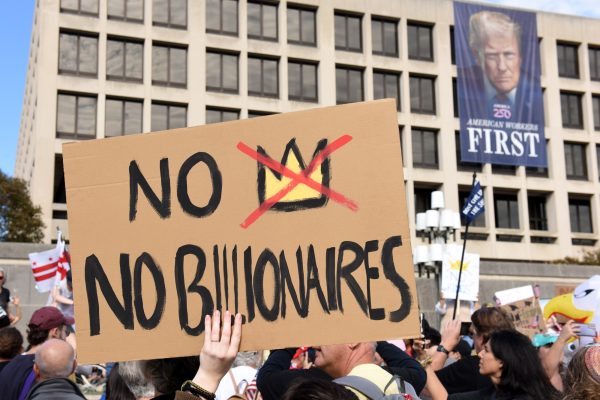
In recent years, President Trump famously imposed high tariffs on nearly all imports, thereby thrusting the US into a trade war. By April 2025, tariffs peaked at 27%, though later reduced after negotiations. This aggressive policy spurred retaliatory measures worldwide, including from China. The IMF’s deputy managing director expressed concern about the slow but damaging effects of such “tariff fights.”
President Trump’s assertions that his tariff policies “rescued” the US economy are widely debated. The decrease in trade deficits, he claims, reflects reduced imports and uncertain conditions, not economic strength. John Plender, an FT commentator, observed that the US’s economic dominance wanes as it unravels post-war international systems it once built.
Trump’s policies have sparked global reactions. Former Bank of England Governor Mark Carney, in a Davos speech, critiqued the selective application of these rule-based systems. Carney’s comments, though unnamed, seemed directed at Trump.
As US debt soars, faith in US Treasuries wanes, and the dollar’s position as the world’s reserve currency is increasingly questioned. Recently, the Bloomberg Dollar Spot Index revealed the dollar’s rapid decline since Trump initiated broad tariffs. Investors now seek refuge in assets like gold, which recently surged to $5,185 an ounce, signalling apprehension about the dollar.
For developing nations such as Bangladesh, there’s a crucial lesson. Expanding and diversifying trade remains vital for economic growth and poverty alleviation. Policymakers must keenly navigate this evolving landscape, leveraging international trade to enhance living standards and reduce poverty despite emerging global challenges.
Should you have any further inquiries or wish to learn more, feel free to reach out at muhammad.mahmood47@gmail.com.
For further reading on trade policies, take a look at the WTO’s analysis for deeper insights.