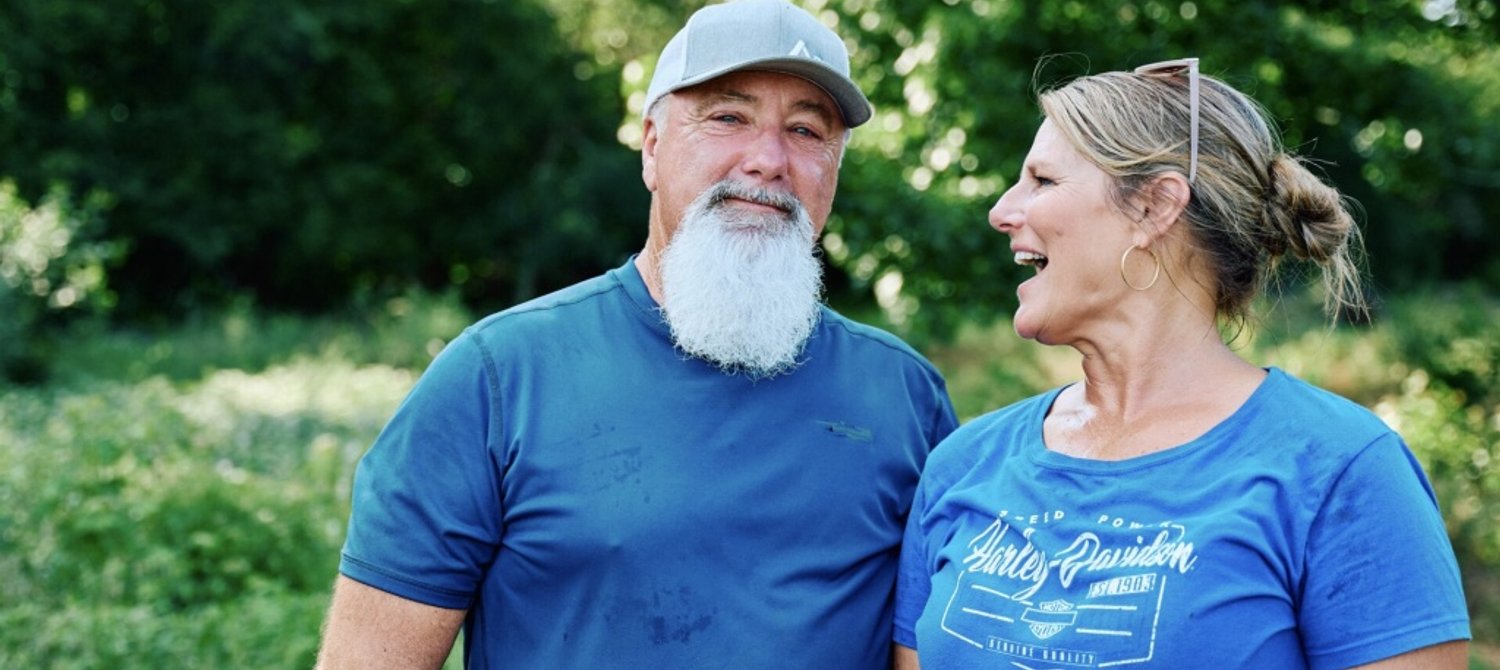
When Alisha Logue got her hands on her grandma’s farmland down in Georgia, she was all set to carry on the family tradition. But, have you seen the costs these days? Keeping that land became a headache. Debt was piling up faster than traffic on the BQE during rush hour. Just when things seemed grim, a forest-restoration program threw her a lifeline. Suddenly, she was getting paid to let the forests grow back. “We’re just watching the trees grow,” she says. Sounds like a win-win, right?
Logue’s journey is just a slice of the narrative in From the Ground Up: Voices of the Carbon Market. This mini-documentary, courtesy of the Beyond Alliance, debuted at Climate Week NYC. It follows families nationwide, showcasing how they’ve reinvented their land for climate projects—think planting pine trees, plugging methane wells, or bringing back the natives. It’s about reducing carbon while supporting local life and resilience.
To understand these carbon markets better, check out this explainer. In essence, when they’re done right, they channel private funds into eco-friendly solutions, boosting both ecosystems and communities. From the Ground Up captures the human essence of this market, illustrating how even one carbon ton avoided or removed can alter lives.
But let’s face facts: The world’s staring down a massive financing chasm to tackle climate change—around $6 trillion annually. Voluntary carbon markets are part of the puzzle. But remember: they’re not a loophole or a magic fix. Real emissions reductions need to be happening at the same time.
The film’s stories zoom in on rural America—places like Georgia, Illinois, and Louisiana. Why these spots? They each offer an unexpected twist. Imagine livestock farmers in Georgia planting trees on old pastures, a project by the American Forest Foundation. Or, oil and gas people in Illinois pivoting to cap leaking wells, thanks to Tradewater. Commitment goes deep here. In Arkansas and Louisiana, Chestnut Carbon plants native trees with a promise to nurture them for a century. That’s dedication!
So, what’s this all say about everyday Americans in climate action? Most folks are busy juggling work, family, and bills. Climate change might be on their minds, but the “what to do about it” part? That’s tricky. Programs like the one in Georgia provide a financial incentive, easing the pressure. Monetary gains for sustainable practices can attract busy people’s attention to nature’s unseen roles, like trees capturing carbon.
And here’s the kicker—those roles have economic value. In our capitalist society, it’s a language people get. The carbon market is reshaping what we deem valuable, presenting a potential blueprint for tackling our toughest environmental challenges.
Yet, carbon markets have their skeptics. Early failures, paired with patchy regulations, muddled their reputation. The takeaway? Let’s refine these projects for accountability and impact. Beyond aims to do just that by enforcing rigorous standards for the projects they fund. They back initiatives like the IC-VCM’s Core Carbon Principles, which set a high bar for quality.
So, what could be next for Beyond and their storytelling efforts? The demand’s there for stories that foster optimism, showing carbon markets as practical solutions. We need narratives that highlight our shared humanity, reminding us that we’re all under the same sky with the same hopes for a vibrant planet.
Optimism springs from the fact that carbon markets incentivize good environmental behavior. They pay people to seal those leaky wells and plant trees, providing a financial push towards planetary health. It’s not the sole tool in the climate toolbox but a significant one. If leveraged right, it could be crucial in cleaning our mess and rejuvenating our natural systems.