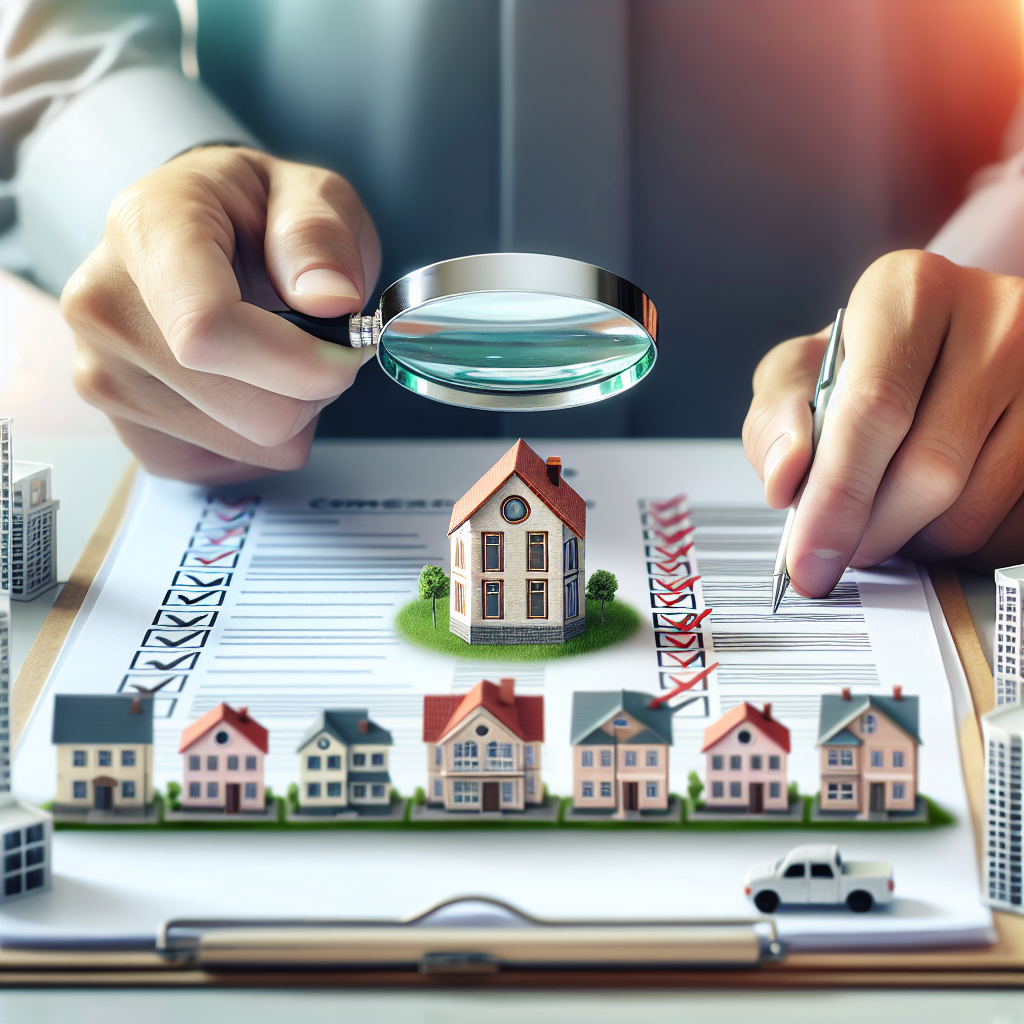
The Importance of Regular Property Inspections
Let’s talk about property inspections. Not just an occasional peek here and there, but regular ones. They matter, folks. A lot. Whether you own a crumbling old brownstone or a shiny high-rise condo, getting your property checked regularly is crucial. It’s like going to the dentist for a routine check-up, only for your home.
Contents
Why Are Regular Property Inspections Crucial?
Ever thought of what’s lurking under that fresh coat of paint? Hidden mold, perhaps? Property inspections keep these monsters at bay. Here’s why they’re so important:
Early Problem Detection
Regular inspections help spot problems early. You catch a leaking pipe before it becomes Niagara Falls in your living room. Early detection means fewer headaches and less cash down the road.
Ensures Tenant Safety
If you’re renting out your space, tenant safety is paramount. Regular checks can identify faulty wires or broken smoke alarms. This keeps your tenants safe and your liability low.
Maintains Property Value
By staying on top of maintenance, your property won’t lose value. Regular inspections lead to timely repairs. This means your property maintains its charm and market value.
Compliance with Laws
Some places demand regular inspections by law. If you’re not in compliance, you could face hefty fines. So, having regular checks is a smart move.
Enhances Tenant Satisfaction
Happy tenants stick around longer. Regular property inspections ensure everything’s in tip-top shape. Your tenants appreciate it, and lease renewals become more frequent.
Detailed Table: The Importance of Regular Property Inspections
| Importance | Description | Benefits |
|---|---|---|
| Early Detection | Spot issues before they become major problems. | Cost savings on repairs and maintenance. |
| Tenant Safety | Ensure the property is safe and habitable. | Reduced liability and tenant satisfaction. |
| Value Maintenance | Preserve the property’s market value. | Protects investment and potential resale value. |
| Legal Compliance | Meet local laws and regulations regarding property conditions. | Avoid penalties and legal troubles. |
| Tenant Satisfaction | Happy tenants are more likely to renew and recommend your property. | Reduced vacancy rates and steady rental income. |
How Often Should You Conduct Property Inspections?
This one’s got a bit of nuance. But generally, doing an inspection every six months is a sweet spot. If you wait longer, small problems might snowball into major catastrophes.
What Should Be Inspected?
Here’s a quick breakdown of what’s usually covered:
- Structural elements (walls, roof, foundation)
- Electrical systems
- Plumbing and water systems
- Heating, Cooling, and ventilation
- Safety features (alarms, fire extinguishers)
- General cleanliness and wear-and-tear
DIY or Hire a Professional?
Some folks swear by a good DIY inspection. But let’s get real. Pros bring expertise that your Google skills can’t match. Professional inspectors spot weird stuff you might miss.
The Cost Factor
Sure, inspections cost money. But think about unexpected leaks or wiring issues. Those could cost thousands. So, spending a few hundred bucks every now and then? Totally worth it.
The Art of Creating Inspection Reports
Let’s get into the nitty-gritty of inspection reports. These aren’t just lists of what’s wrong—they’re your guides to making smart maintenance decisions.
What Goes into a Good Inspection Report?
- Detailed findings with descriptions
- Photographic evidence
- Severity ratings for each issue
- Recommended actions and timelines
Why Reports Matter
Inspection reports are essential for tracking issues. You’ll know which repairs are urgent and which can wait.
Utilizing Your Inspection Reports
Use these reports to prioritize repairs and upgrades. When you sell your property down the line, these records can boost buyer confidence.
Questions About Regular Property Inspections
How does regular inspection impact a rental property’s ROI?
Inspections have a direct effect on Return on Investment (ROI). Regular checks ensure your property stays in top condition. This minimizes expensive repairs, keeps tenants happy, and reduces turnover. When tenants are satisfied, you’re less likely to face vacancies. You maintain a steady rental income and enhance your property’s value over time. A well-maintained property attracts better tenants, which means fewer disruptions and more consistent earnings. That positively impacts your ROI.
What should landlords look for in a professional inspection service?
When hiring a pro, verify their credentials. They should be licensed and insured. Look for inspectors specializing in your type of property, whether it’s residential or commercial. Ask them about their inspection checklist. Ensure it covers structural concerns, safety features, and utility systems. Reviews and referrals matter. Check their track record. Good feedback and recommendations signal reliability. Price is important too, but remember, you often get what you pay for. Spend a bit more for quality service.
How do inspections contribute to tenant retention?
Regular inspections are a sign of care. Tenants notice when landlords take property care seriously. It reassures them their living space is safe and pleasant. Addressing issues promptly builds trust. Tenants appreciate responsive landlords. A well-maintained property feels more like home. It creates a comfortable environment, which is hard to leave. Happy tenants are more inclined to renew leases, reducing your turnover rates. That stability benefits both parties and keeps your rental income steady.
For more insights, check out this comprehensive guide on property inspections.
So folks, don’t let minor issues snowball. Get those regular inspections. Your wallet—and your tenants—will thank you.