Contents
- 1 US Approach to World Bank and IMF: An English Perspective
- 1.1 A Shift in Focus
- 1.2 Global Trading and Economic Growth
- 1.3 Climate and Gender: Delicate Subjects
- 1.4 Tables of Concern
- 1.5 Energy Initiatives and Discussions
- 1.6 IMF and Debt Relief
- 1.7 Unmet Expectations in Private Sector Approaches
- 1.8 Delayed Reforms Endanger Credibility
- 1.9 Civil Society Engagement: A Constricted Space
- 1.10 Concluding Thoughts
US Approach to World Bank and IMF: An English Perspective
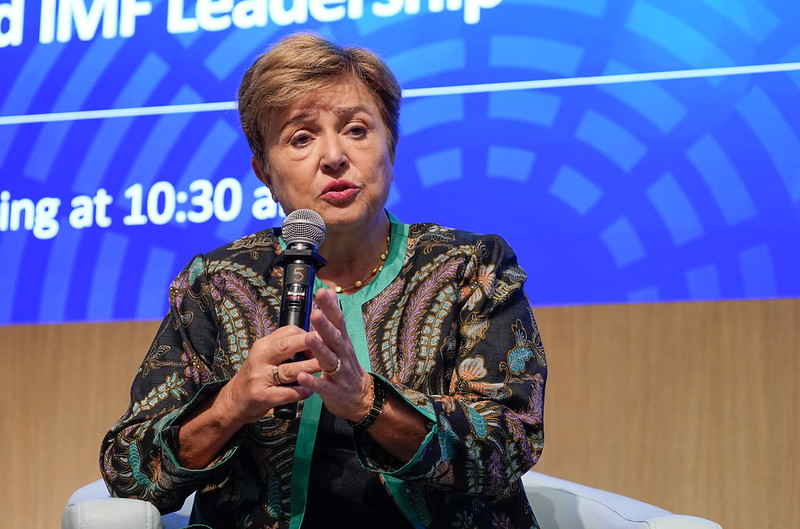
After weeks of conjecture about the United States’ stance on the World Bank and International Monetary Fund (IMF), it seems we finally have some clarity. In a speech on the fringes of the Spring Meetings, US Treasury Secretary Scott Bessent addressed the global community. Despite recent tensions, Bessent assured that the US intends to lead on the world stage, making it clear that “America First does not mean America alone.”
A Shift in Focus
The Bank and Fund, esteemed as the Bretton Woods institutions, have long been criticised for their sprawling agendas. Bessent insisted these venerable institutions need significant reform, particularly in areas such as climate and gender issues. There’s a desire to bring America’s leadership into sharper focus.
Interestingly, almost half of humanity resides in nations spending more on debt interest than on education or health. This economic reality adds pressure to the international financial system, underlining the need for reform.
Global Trading and Economic Growth
America’s recent tariff policies have sent ripples across the globe. The IMF’s updated World Economic Outlook predicts a reduction in global growth to 2.8 per cent in 2025, with uncertainties akin to those during the Covid-19 pandemic. This dire prognosis coincides with reduced overseas development assistance, pushing many countries to the brink of crisis.
Climate and Gender: Delicate Subjects
Bessent’s remarks have sparked an unusual climate within the World Bank and IMF. There’s been a noticeable retreat from conversations about climate and gender, with whispers suggesting self-censorship. Nonetheless, Nobel laureate Joseph Stiglitz and other economists emphasise the undeniable relevance of these issues. The Vulnerable 20 Group has voiced concerns about climate thresholds and GDP losses, highlighting the gravity of the situation.
Tables of Concern
| Issue | Current Focus |
|---|---|
| Climate Change | Low as per US directive |
| Gender and Inequality | Sidestepped |
| Debt and Austerity | Central concerns |
Energy Initiatives and Discussions
World Bank President Ajay Banga has initiated discussions about the Bank’s energy strategy. The aim is to review current policies, including the stance on nuclear energy. There’s debate over affordable energy access, with gas and nuclear entering the conversation. However, African communities feel overlooked, sparking disapproval from civil societies.
IMF and Debt Relief
The IMF remains criticised for its continued focus on austerity. As global sovereign debt reaches its highest in decades, the Fund’s misdiagnosis as a liquidity issue has dire consequences. The failure to offer substantial debt relief persists, leading to skewed frameworks that protect creditors over vulnerable populations.
Unmet Expectations in Private Sector Approaches
Ajay Banga’s private sector-focused strategies align with current US policy but face accountability challenges. The World Bank’s previous approach, Billions to Trillions, has not fulfilled expectations. Reports indicate a need for improved oversight of the Bank’s projects to ensure positive development impacts.
Delayed Reforms Endanger Credibility
The IMF faces pressure as delays in quota reviews and governance reforms threaten its credibility. Past evaluations raised concerns about fiscal policies and growth projections. Yet, little reform appears on the horizon, perpetuating cycles of dependency and austerity.
Civil Society Engagement: A Constricted Space
Unfortunately, civil society participation at the Meetings was understated. Fear of detainment and restrictions hindered involvement, especially for representatives from the Global South. Hope emerged, however, with the launch of initiatives like the Civil Society and Social Innovation Alliance (CIVIC).
Concluding Thoughts
As we look ahead, the upcoming UN Fourth Financing for Development (FfD4) Conference presents a unique opportunity. It’s a chance for systemic change toward a fairer and more sustainable global financial architecture. Stakeholders must embrace this moment to champion justice and equality in our economic governance.
For further reading, consider exploring the following sources: