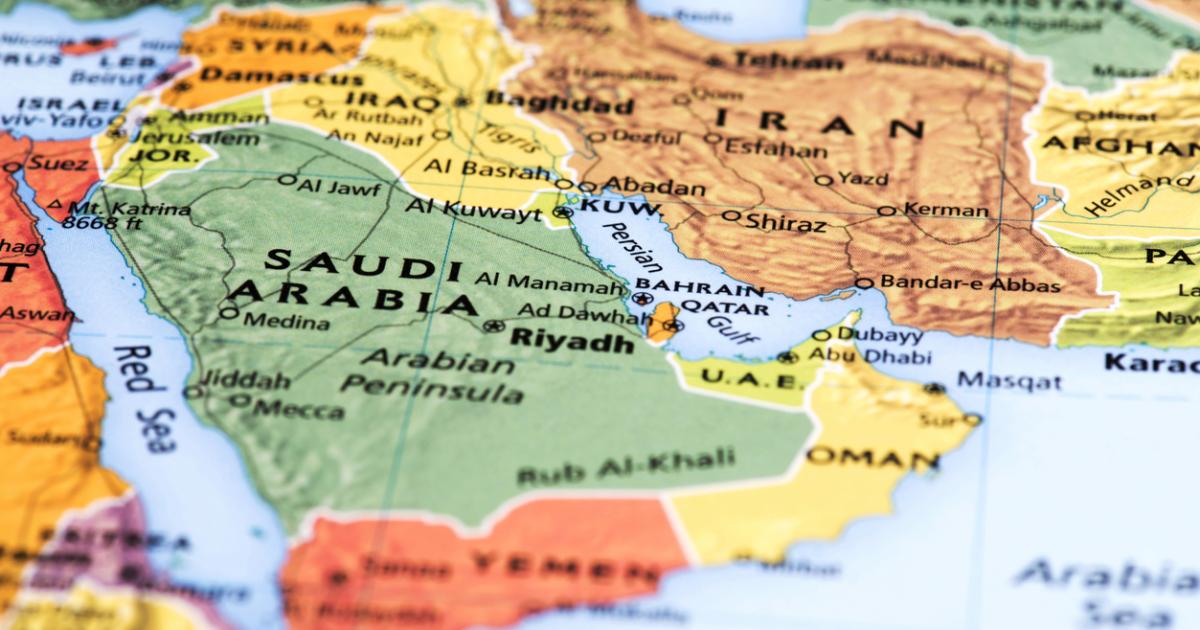
From January 2025 to February 2026, the Gulf Cooperation Council (GCC), particularly Saudi Arabia, the UAE, and Qatar, embarked on a calculated mission. They aimed to stabilize the Levant with financial and political muscle while building clout in Syria and Lebanon. Their tactics? Liquidity boosts, infrastructure investments, and diplomatic maneuvers to balance Iranian and Turkish influence. Although Syria showed more progress than Lebanon, the Gulf countries pressed on with strategic foresight.
A Saudi-led narrative unfolded as they shaped Syria’s return to the Arab sphere. The UAE saw a chance to anchor the Levant as a strategic shipping hub, while Qatar masterfully combined financial support with energy diplomacy. Lebanon’s hesitation to disarm Hezbollah kept Gulf investments at bay, revealing a waiting game in Beirut.
For the Gulf States, engaging Syria quickly was crucial after Bashar al-Asad headed to Moscow on December 8, 2024. Arab heavyweights like Qatar restored air links and poured natural gas into Syria to ease its power woes. Diplomatic overtures followed, with Syria’s transitional president Ahmed al-Sharaa forging ties with Saudi heavyweights. The Gulf’s efforts sketched a roadmap, avoiding the dismal fate seen in war-torn regions like Iraq and Libya.
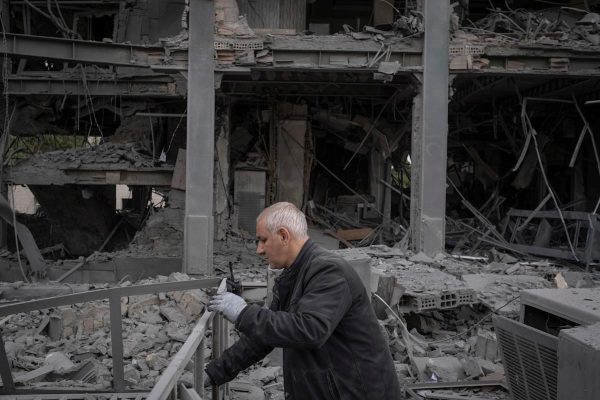
The region’s rebuilding required vast resources. The World Bank pegged Syria’s reconstruction bill at a staggering $216 billion. This meant big shifts, even in the U.S., which reconsidered sanctions to spur regional investment. Many believed that the Trump administration’s decision to relax sanctions was anchored in faith in the Gulf’s regional leadership.
GCC’s strategy wasn’t just numbers and deals. It was about weaving political and economic textures for a more resilient Syria. A unique “transactional stabilization” emerged, blending diplomatic recognition, financial backing, and high-stakes projects. This approach aimed at blunting Iran’s sway and countering Turkey’s rising leverage while looking forward to a healthier commercial climate.
Al-Sharaa’s trustworthiness was tested as Gulf leaders placed weighted bets on his administration. Despite not holding sway over all factions, his alignment with GCC goals was promising. Saudi Arabia, in particular, envisioned a future where Syria played a central role in regional security frameworks. This vision was evidenced by Syria’s participation in Gulf and regional security talks.
Qatar’s refusal to disarm Hezbollah highlighted Lebanon’s entangled path. Despite Washington’s involvement, the threat of Israeli actions loomed large, further complicating diplomatic efforts. Nonetheless, Saudi Arabia and its GCC allies saw Syria as a future bastion of stability.
Economically, the Gulf allocated funds to pay Syrian salaries and pledged millions for necessary public services. This financial bridge aimed to prevent collapse and ingratiate the Gulf into the emerging Syrian bureaucracy. Meanwhile, debt settlements with institutions like the World Bank opened new avenues for international collaboration.
Key infrastructural investments underscored the GCC’s confidence in the new Syrian regime. By July 2025, Saudi Arabia initiated telecom projects worth over $6.4 billion, also laying plans for a fiber-optic network and airport developments. Abu Dhabi zeroed in on Tartous with an $800 million port development venture, cementing its logistical and transportation prowess.
The energy front saw Qatar and Western companies like Chevron exploring Syrian oil and gas potentials. The UAE joined forces to revamp Syrian natural resource production, further aligning Syria with global energy structures.
But Lebanon’s journey was cautious, illustrated by President Joseph Aoun’s steps that didn’t rally Gulf fervor. Riyadh and Abu Dhabi hesitated, scrutinizing Lebanon’s reform signs and distrustful of its Hezbollah entanglement. While Qatar extended financial support, a lack of comprehensive reforms kept broader Gulf investments on hold.
Looking ahead, Saudi Arabia appears poised to lead GCC integration efforts, with Syria aligning more closely with Gulf and Turkish interests over Iran. Gulf investments demand responsible management, given Syria’s notorious corruption woes. A stable Syria, fortified by Gulf ties, could withstand regional security quakes and lure back refugees. Yet, Lebanon’s progress stalls, still tangled in political hurdles.
In the intricate dance of geopolitical ambitions, Saudi Arabia, UAE, Turkey, and Qatar continue to invest with minimal friction, shaping the Levant’s future. It’s a tapestry of diplomatic and economic strategies where the GCC’s role in Syria offers a glimpse into potential regional realignments. As challenges persist—like Iran and Hezbollah’s resistance—the GCC’s seeds of stability aim to foster a promising tomorrow in the Levant.
For more on this unfolding regional narrative, see Qatar’s gas aid to Syria, and the World Bank’s insights on Syria’s reconstruction costs.
Ultimately, the Gulf’s journey in the Levant is winding and complex. A road paved with collaborations, risks, and the promise of change.