Contents
Transforming Corporate Landscapes: Plano’s Green Revolution
The suburb of Plano, in Dallas, has long been an attractive location for major corporate headquarters like FritoLay, JCPenney, and Pizza Hut. However, as workplace trends evolve toward remote and hybrid models, there’s a newfound potential to rethink these corporate spaces.
A Shift toward Green Spaces
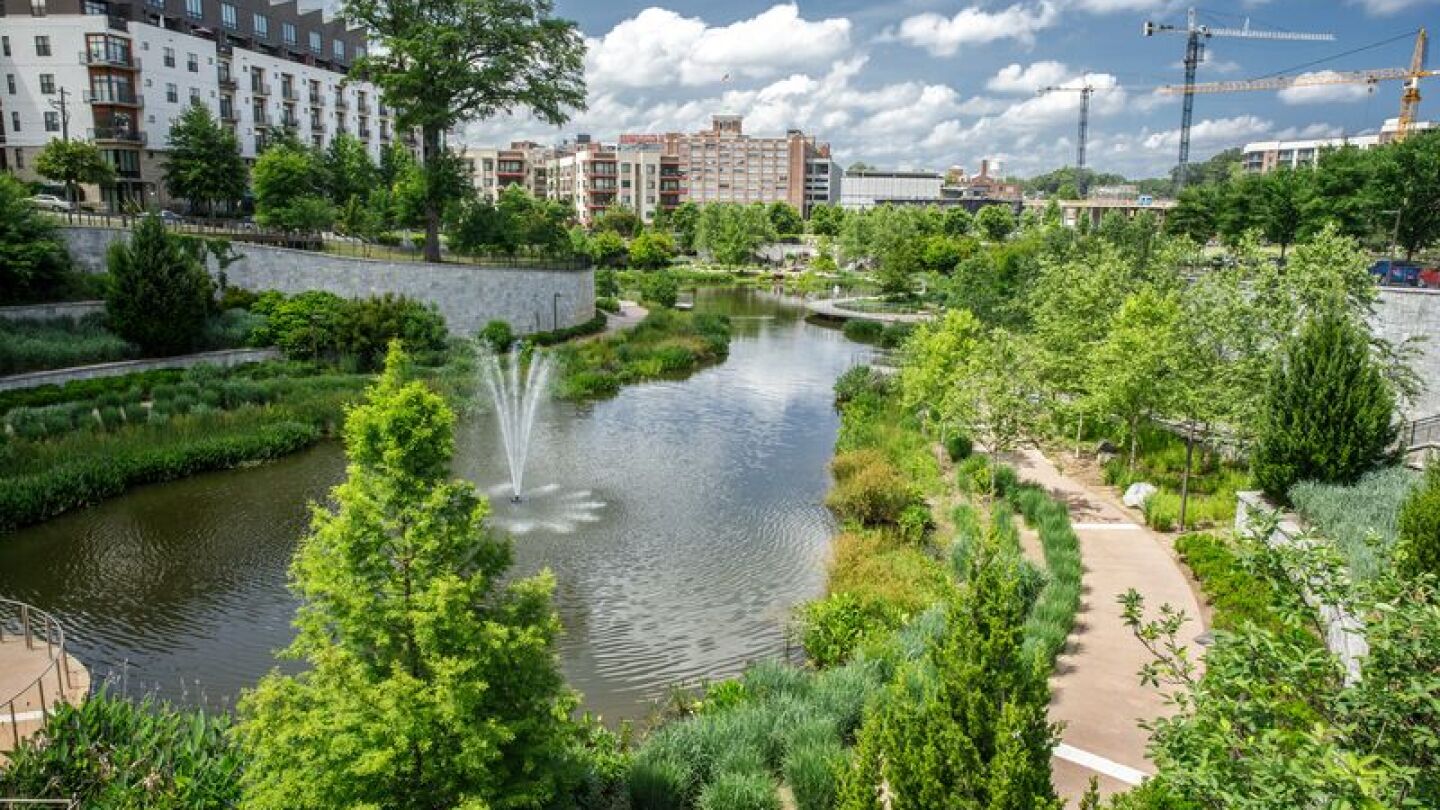
Around the country, cities have been investing significantly in parks to adapt to changing work patterns. In Plano, this pivot translated into a remarkable 35% increase in park investment from 2011 to 2021. With $82 million earmarked for parks improvements, the city emphasises enhancing community spaces over traditional office parks. Such investments make parks a focal point, not just for leisure but as economic drivers.
This is further complemented by private developers, who are transforming these once corporate hubs into mixed-use districts, aligning more closely with the modern workforce’s desires for open, communal spaces.
Economic and Environmental Rewards
The benefits of such a transformation are manifold. Parks improve air quality, reduce stress, and promote community connections. They also enhance biodiversity and offer natural solutions to urban challenges like stormwater management. For Plano, these enhancements have attracted visitors, increased property values, and invigorated the local economy.
Companies such as Raytheon and Fisher Investments have expanded or relocated to Plano, underpinning the economic vitality driven by these green spaces. This trend is seen nationwide, with cities like Boise and Atlanta witnessing similar transformations due to their investment in public parks.
Broader Economic Benefits
A compelling study by the Trust for Public Land and HR&A Advisors shows how public parks are more than amenities; they’re economic engines. Cities investing significantly in parks are observing rapid job growth and becoming magnets for startups.
Take Boise, Idaho, for instance. Proximity to lush parks is a major draw for talent, resulting in a remarkable 60% growth in young firms, far surpassing the national average of 12%. The Cherie Buckner-Webb park, a major success, has spurred further private investments, illustrating the symbiotic relationship between parks and local economic growth.
Real Estate and Urban Development
Investments in parks lead to thriving real estate markets. In Atlanta, projects like the BeltLine have increased office rents markedly and stimulated development. Such urban trails and greenways foster connectivity and walkability, priority factors for tenants and residents alike.
However, economic advantages must be managed with attention to equitable development. Cities like Boston and Minneapolis use mechanisms such as inclusionary zoning and community benefits agreements to ensure inclusive growth.
Strategic Collaborations
Success hinges on collaboration between government, businesses, and philanthropists. With careful planning, parks can be a formidable economic catalyst, offering measurable returns on investment. Developers recognising this can harness parks’ potential to drive property values and investments while fostering vibrant urban environments.
As the economy navigates the post-pandemic landscape, cities like Plano offer a blueprint for integrating green spaces into urban development. Their story exemplifies how strategic park investments can shape prosperous, resilient communities, ready to meet contemporary challenges and seize future opportunities.