Ah, the intricacies of the Federal Reserve’s workings! It’s quite a spectacle, especially for us across the pond. Let me paint a picture for you, dear reader.
The imminent Fed decision and market anticipation
For those keeping a keen eye on international economies, the coming days hold much significance. The Federal Reserve is poised to announce its second interest-rate decision of 2026. With the CME FedWatch tool almost decidedly hinting at a rate hold, it seems the prudent course based on the stormy market moves. The Fed had already snipped rates thrice in 2025 and has eyes on a further reduction this annum. For our friends in the US, these fiddlings with rates shape inflation, employment, and borrowing costs.
A peek at economic ripples and leadership changes
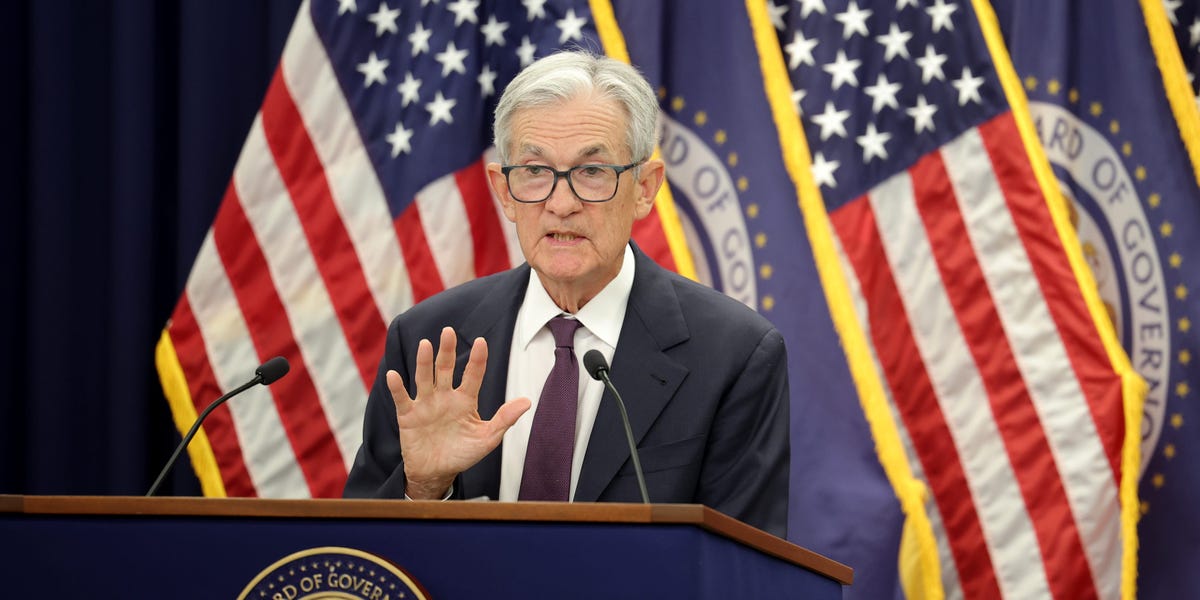
It’s quite the drama as Jerome Powell nears his departure. He’s likely to be succeeded by Kevin Warsh, a fellow with a reputation for hawkish policies. Warsh’s nomination stands amidst some political tussles, notably with tensions swirling between the Fed and the White House. Moreover, past legal squabbles involving Fed Governor Lisa Cook have kept the rumour mills busy.
Economic forecasts: Inflation and employment
Powell, in the twilight of his tenure, navigates a tempestuous economic landscape. The US job market had a rather disappointing February, with a loss of 92,000 jobs and unemployment tipping to 4.4%. The situation was stark compared to January’s growth, causing eyebrows to rise.
Nicole Bachaud from ZipRecruiter remarked on the unexpected halt in job market momentum. Meanwhile, Cory Stahle from Indeed suggests examining broader trends, as recent months have shown little job creation source.
Consumer impact: Jobs, loans, and inflation
The Fed’s decisions ripple through to mortgages, credit card rates, and auto loans. Holding rates steady could maintain financial equilibrium, albeit temporarily. Yet, the dual mandate of inflation control and employment stability looms large.
For homeowners and buyers, rate changes could translate into shifts in the housing market. Businesses and job hunters yearning for reduced borrowing costs and a livelier job market might need to exhibit patience.
Oil, energy crises, and the global stage
On the international front, the ballyhooed blockades of the Strait of Hormuz by Iran are worth noting. The closure impacts nearly 20% of global oil trades. Prices recently skimmed past $100 a barrel. An unrest that is bound to resonate through various sectors, from transportation to agricultural commodities like fertiliser. Mark Hamrick, an analyst, aptly noted the pinch consumers feel amidst affordability woes.
Projection releases and anticipated effects
Of course, the Fed will grace us with its quarterly economic projections. These predictions afford insight into future rate manoeuvres, which remain as diverse as British weather.
Powell, ever diplomatic, assures that decisions are far from being scripted. It’s all very much a decision-by-decision affair, with no crystal ball guiding the Fed.
Final thoughts from across the pond
As we await the developments, one can’t help but marvel at the interplay of politics and economics. Truly, a delicate dance, impacting not just our American cousins but reverberating globally. As we English might say, only time will reveal how this saga unfolds in the halls of the Federal Reserve.