Contents
Iran’s Middle-Class Youth: A Tale of Diminishing Prospects
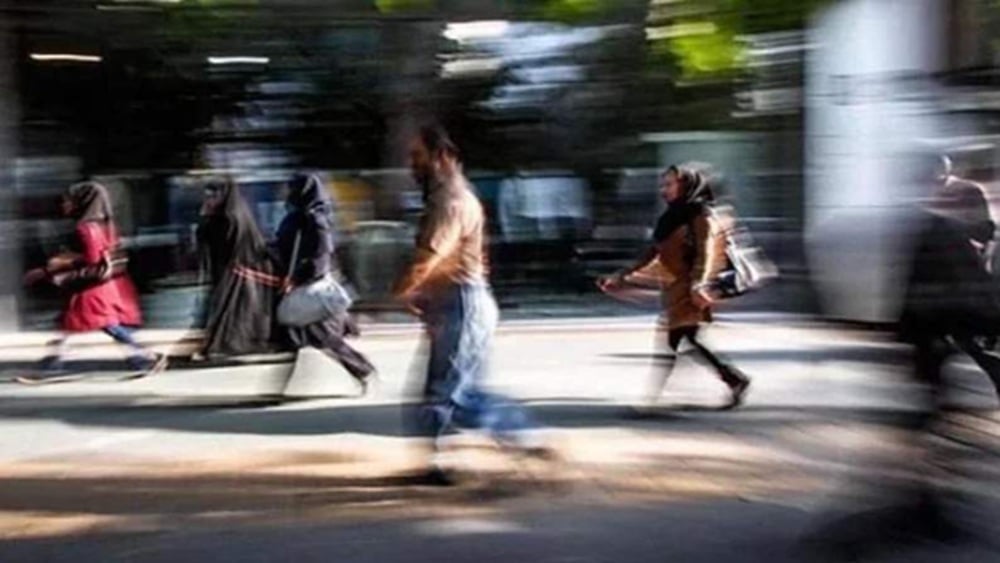
In the land of Persia, change is afoot, and not for the better. As Shargh reports, Iran’s middle class is evaporating. Educated youth, juggling multiple jobs, find themselves sliding into poverty. Once, they savored modest joys like travel and dining out. Now, they lament being the “poor middle class,” enmeshed in dwindling opportunities and escalating anxiety.
The Disappearing Middle Class
A young woman, employed by a private firm, narrated her plight starkly: “A few years back, dining out weekly was the norm. Now, it’s a monthly affair, if that. Even skincare products seem a luxury. My salary’s climbed from five to thirty million tomans, yet my wallet feels lighter than ever.”
This sentiment echoes among many. A bookseller in Tehran, newly married, shared similar woes. “We dreamt of a honeymoon, saved every wedding gift, yet rising costs thwarted us. Even a getaway to Turkey is beyond reach now. Both of us toil at two jobs, yet it’s just survival.”
A newlywed couple voiced identical frustrations. Despite full-time work, they cannot fathom where the money goes. Dining out is history. A simple trip to Kish Island left them strapped for the month. Their shopping list contains only essentials now—gone are snacks, coffee, and anything imported.
Anxiety and the Cost of Survival
The mental strain matches the financial struggle. Anxiety looms large, as a young dairy company employee explained: “I earn more, yet feel poorer. I used to take language classes, go to the gym, meet friends. All that’s cut, but life’s tougher now. My biggest fear? Ending the month penniless. Even a laptop breakdown would ruin me.”
Psychologists, such as Nasser Ghasemzadeh, echo these concerns. He cautioned: “This anxiety transcends individuals, imperiling society’s future. Young people delay marriage and children due to financial despair. Lacking basic needs, hope evaporates.”
Structural Issues and Regime Neglect
The economist Hossein Raghfar weighs in on this crisis. He deems it a systemic failure: “This isn’t merely low income; it’s structured inequality and governmental neglect of basic rights.” Inflation rages unchecked, car prices soaring by 60–70% in a month.
Raghfar emphasised: “While business owners can adjust prices, wage earners cannot keep pace with inflation. They face unrelenting economic pressure, and the poorest suffer more.” Alarmingly, about 26% of youth are neither working nor in training, breeding frustration and crime. They justifiably blame decision-makers.
The Grim Future of a Generation
Housing has become the epitome of hopelessness. Raghfar notes, “Young Iranians can neither buy homes nor dream of it. Unstable jobs and inflation ensure they see no future.”
Once a staple of middle-class life, leisure now lies abandoned. A young teacher, once a frequent traveler, admitted: “I’ve been to Turkey over seven times. Now, even the cheapest trip is unthinkable. Our salaries rose, but life’s quality worsened. We’ve even relinquished our shared apartment as rent became untenable.”
Trust and Social Hope Collapse
The testimonies reveal more than personal struggles. They unveil a generational collapse. As Raghfar warned, “The middle class once thrived in public life. Now, crushed by financial burdens and loss of influence, they are depoliticized, seeing no response from authorities.”
Young Iranians lose faith—not only in personal futures but the nation’s as well. Ghasemzadeh points out: “Constant fear of poverty paralyzes a young person’s future planning. This anxiety threatens the nation’s future.”
Shargh’s account focuses on the middle class, yet the less fortunate suffer even more. The nation’s economic decline and expanding poverty bear regime corruption’s fingerprints, as seen in daily protests. Inevitably, this pressure might kindle another uprising against the regime itself.
#Iran’s Perfect Storm: How regime corruption paralyzes the state’s infrastructure and impoverishes its citizens.
August 13—Tehran, Iran
Investors rally before the Ministry of Economy, protesting the perpetual stock market decline.
For deeper insights, do explore the ongoing issues in Iran’s rapidly transforming socio-economic landscape through relevant sources like BBC and Al Jazeera.