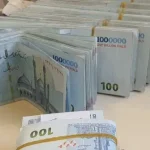
On an unofficial basis, Iran’s rial tumbled to another historic low. Recently, the US dollar was seen trading at about 1.47 million rials. Such trends have left authorities scrambling to alleviate public discontent over rising prices.
Reports from the traders suggest the euro was exchanged at nearly 1.72 million rials, while the pound stood at around 19.94 million rials. This information was highlighted by The Caspian Post, referencing Iran International.
The currency’s sharp drop has been part of a troubling pattern since late December. This period also marked the onset of protests in Tehran and beyond, with grievances increasingly taking on a broader political scope.
Faced with these challenges, the government has resorted to new relief strategies. Notably, they’ve taken steps to restrict access to subsidized foreign currencies, which were essential for importing basic goods. Critics argue these subsidies distorted the market and encouraged rent-seeking, without effectively managing inflation.
The administration under President Masoud Pezeshkian is now hinting at shifting its support toward households. Proposed measures include a monthly electronic credit or coupon system. This scheme aims to cushion low-income families from the impact of rolling back subsidies.
The Iranian economy has been battered by years of sanctions and unrelenting inflation. Many citizens, amid political and economic turmoil, often turn to hard currency and gold as reliable stores of value.
For more insights into the economic challenges, you might explore this BBC article.