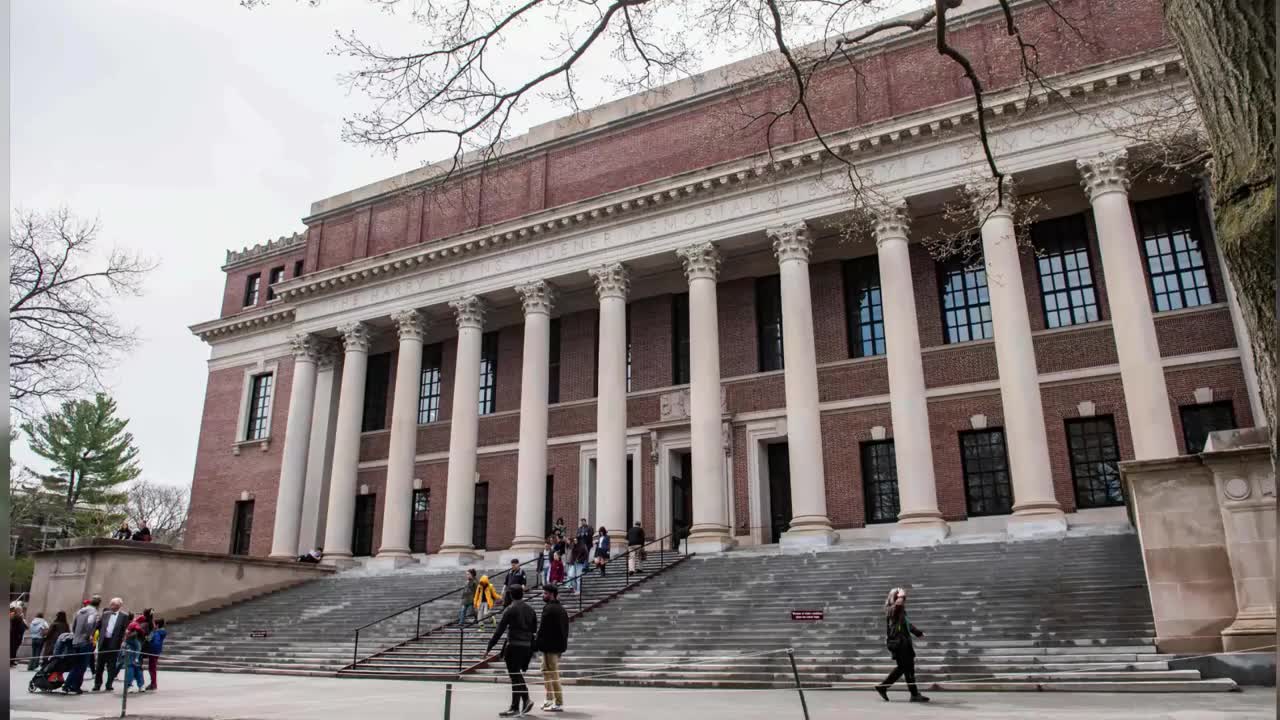
Harvard University has found itself at the heart of quite a tussle with the Trump administration. The esteemed institution recently filed a lawsuit to stop the White House from revoking its privilege to enrol international students.
The State Department has made headlines by announcing it will pause interviews abroad for those applying for student and exchange visas. Furthermore, they’re looking to retract visas from some Chinese students. Experts caution this could spell disaster for the U.S. economy. These students contribute substantial funds, after all.
“The experience of studying in the United States not only shapes the lives of individuals, but the future of our interconnected world,” declared Scott Weinhold of the Department of State Bureau of Educational and Cultural Affairs. His remarks came during the announcement of the Open Door findings. “The connections formed today lay the groundwork for future business, trade, and diplomatic interactions.”
Economic contributions have been significant. The 2023-2024 school year alone saw over 1.1 million international students bring nearly $44 billion to the U.S. economy. This data comes from NAFSA, a nonpartisan nonprofit. From a humble $10 million in Alaska to a staggering $6 billion in California, these students supported over 378,000 jobs.
Interestingly, there’s been a 7% rise in international students compared to the previous academic year, as per the Open Doors Report.
States boasting a substantial international student population reap major economic rewards. Texas, for example, with its 90,000 international students spread across over 250 institutions, added $2.5 billion to its coffers. The Washington Post highlights this trend. Similarly, Massachusetts drew in an estimated $3.9 billion from about 82,000 students.
Yet, the potential loss of international students might send shockwaves through the job market, experts assert. The administration’s move could impact “everything from real estate to restaurants,” as noted by Constantine Yannelis, an economics professor at Cambridge University. He emphasised how local businesses, like cinemas or bars, could see decreased demand.
Let’s not forget, international students generally pay more than their American peers, who often benefit from in-state tuition and generous financial aid. This might force universities to trim course offerings or financial aid packages, according to The Post.
Fortunately for Harvard, a federal judge has temporarily blocked the administration’s attempts to end its enrolment rights for international students. This decision came only a day after the Department of Homeland Security threatened to revoke its certification.
However, efforts by the administration to halt processes and retract visas hint at ongoing tensions with higher education circles.
Please visit the Latin Times for further details.