Contents
Key Takeaways
- A government shutdown on 1st October is becoming increasingly probable due to a funding deadlock between Republicans and Democrats.
- Such a shutdown might temporarily lay off about 900,000 federal workers, impacting the economy if prolonged.
- Economic uncertainty is heightened, with potential delays in critical data releases, including the upcoming September jobs report.
Government Deadlock over Funding
It seems we’re again at a standstill with our American friends, squabbling over the budget. A partial shutdown of government services seems rather likely this week. President Trump had plans to meet bipartisan lawmakers in hopes of brokering a deal to keep the government functioning. However, confidence in a successful negotiation is waning. According to Polymarket, wagers were factoring in 72% odds of an October shutdown.
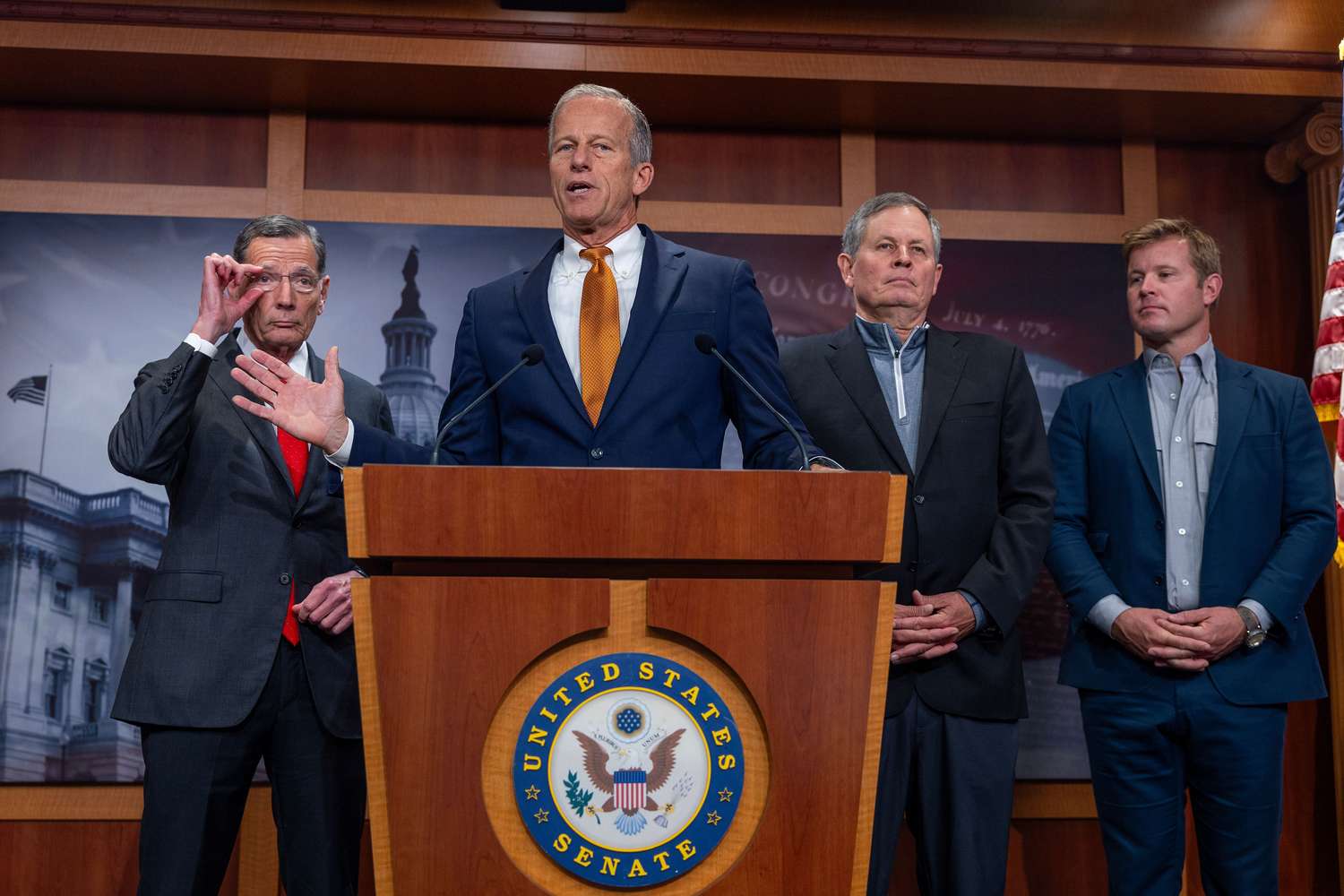
In the Senate, disputes over healthcare funding are at the forefront. Previously, attempts at compromise were fruitless. Democrats demand reversals of cuts to Medicaid and wish to extend a Biden-era tax credit that reduces premiums on Obamacare plans. Republicans, needing a few Democratic votes, face the challenge of the filibuster rule wielded by the minority.
Implications of a Shutdown
If negotiations fall through, at 12:01 a.m. ET on Wednesday, many government operations will halt. Essential services like the military and Social Security, however, will remain functioning. Economists warn of significant consequences, especially if the shutdown endures.
Impact on the Economy
The prospect of a shutdown places the economy, already grappling with inflation and a cooling job market, in a precarious position. Reports vital to market sentiment and Federal Reserve decisions may face delays.
Hundreds of Thousands of Workers Laid Off
In an event not unfamiliar to history, it’s anticipated that a staggering number of federal employees could find themselves temporarily out of work. Past instances saw approximately 900,000 individuals furloughed, although they were compensated post-shutdown. Notably, Trump’s administration has raised the spectre of permanent discharges this time around, as suggested by Politico.
Goldman Sachs economists, Alec Phillips and Ronnie Walker, highlighted that flexibility exists in handling shutdown operations, which may contrast past approaches.
Economic Growth and Unemployment
The economy would take a hit from both layoffs and suspended services, albeit modestly at first. Analysts at Nomura estimated a reduction in economic growth by 0.1 to 0.2 percentage points per week. The labour market, already fragile, would reflect higher unemployment for October, with furloughed workers counted as unemployed.
The overall outlook for the American economy is already tumultuous—rising inflation due to tariffs and a softening job market paint a concerning picture. Adding a government shutdown could further dampen consumer confidence, which is already waning.
Michael Linden from the Washington Centre for Equitable Growth aptly noted the precariousness: “Adding a government shutdown certainly won’t help, and it’s not worth the gamble to economic stability.”
Important Reports Delayed
Moreover, the shutdown may leave investors and policymakers in an information void. Historically, shutdowns have stalled essential economic reports. A crucial job market report is due this Friday; however, its release—and others—could be indefinitely postponed if this shutdown persists.
Phillips and Walker opined that most federal data releases would face deferrals until normalcy resumes, potentially impacting subsequent data collection.