The enduring prestige of the U.S. dollar
The U.S. dollar, despite frequent murmurs of its impending fall, remains the eminent global reserve currency. Recently, however, discussions have emerged around potential shifts, with notable focus on a meeting of the U.S. Federal Reserve.
Contents
- 1 Dominance of the U.S. dollar
- 2 The euro versus the dollar
- 3 The BRICS challenge
- 4 The significance for the United States
- 5 President Trump’s policies
- 6 Federal Reserve scrutiny
- 7 Fed meeting considerations
- 8 Emerging markets and the dollar
- 9 The shift in trade dynamics
- 10 Technology and geopolitical impacts
- 11 Conclusion
Dominance of the U.S. dollar
The Atlantic Council’s latest Dollar Dominance Monitor paints a picture of enduring supremacy. The dollar leads not only in central bank reserves but also in export invoices and foreign-exchange transactions. Moreover, international debt and essential commodities like oil frequently rely on the dollar.
The euro versus the dollar
The euro has long attempted to rival the dollar. However, it remains a mere understudy, trailing behind in significant metrics. Other contenders, such as the Chinese renminbi or the Japanese yen, still struggle to attain the status of a global reserve currency.
The BRICS challenge
The notion of a unified “BRICS currency” is rather distant. Despite ambitions to challenge U.S. hegemony, this collective currency remains largely aspirational. BRICS, comprising nations like Brazil, Russia, and China, has talked about alternatives. Yet, substantive efforts are still embryonic.
The significance for the United States
The dollar’s status is a colossal advantage for the United States. It provides what can only be termed an “exorbitant privilege.” As noted by Josh Lipsky, senior director at the Atlantic Council, “The global reserve currency status allows the U.S. luxuries others do not have.”
President Trump’s policies
Even as President Trump sought to preserve this dominance, his policies occasionally threatened its integrity. His approach to tariffs and budget deficits raised concerns. Moreover, efforts to tax international creditors under the “Mar-a-Lago accord” proved shortsighted.
Federal Reserve scrutiny
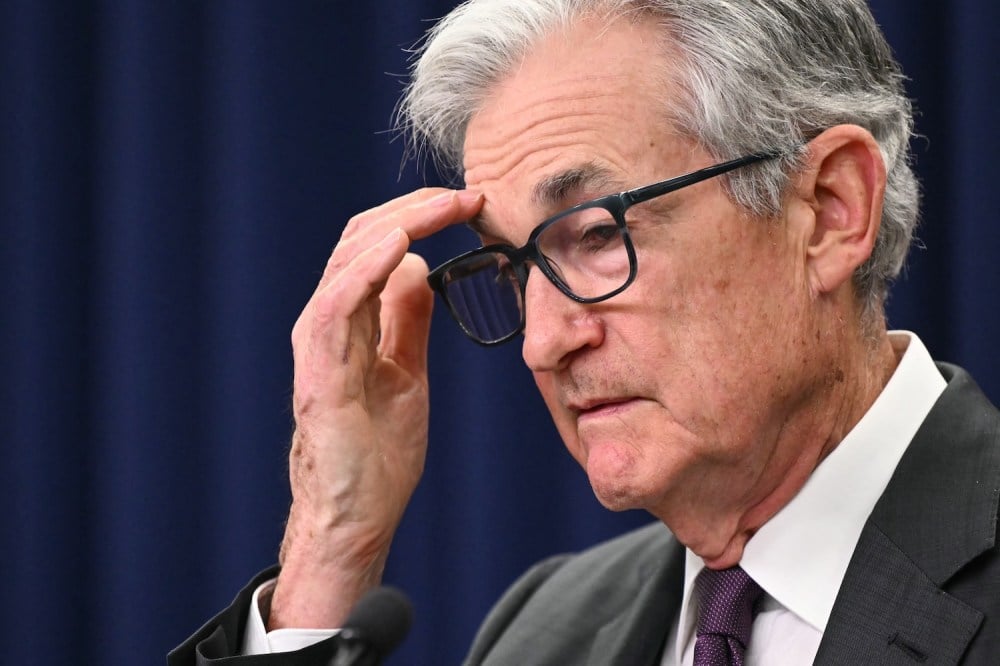
The independence of the U.S. Federal Reserve has been under watchful eyes, exacerbated by attempts to influence it. President Trump’s actions, notably installing a Fed governor from the White House, have stirred anxieties about its autonomy.
Fed meeting considerations
An anticipated 0.25 percent cut in interest rates has been widely discussed. However, concerns linger that political motives, rather than economic ones, are shaping decisions. A deep slash might incite panic rather than relief.
Emerging markets and the dollar
Emerging markets pose a burgeoning challenge to dollar dominance. Nations such as Russia and China are fostering their currencies for trade, further facilitated by innovative financial systems like China’s CIPS.
The shift in trade dynamics
The dynamics of trade are evolving, with emerging markets building ties absent from the dollar. For instance, Brazil has increasingly engaged with China in non-dollar currencies.
Technology and geopolitical impacts
Technological advancements are shifting the need for the dollar. Countries, even those reliant on the dollar, are exploring alternatives. Lipsky remarks, “Countries needed the dollar system; now many don’t want it.”
Conclusion
While the dollar continues its reign supreme, nascent threats are nudging at the edges. New alliances and technology could eventually recalibrate the world’s financial landscape. For now, however, the dollar holds its ground as a central pillar of global finance.