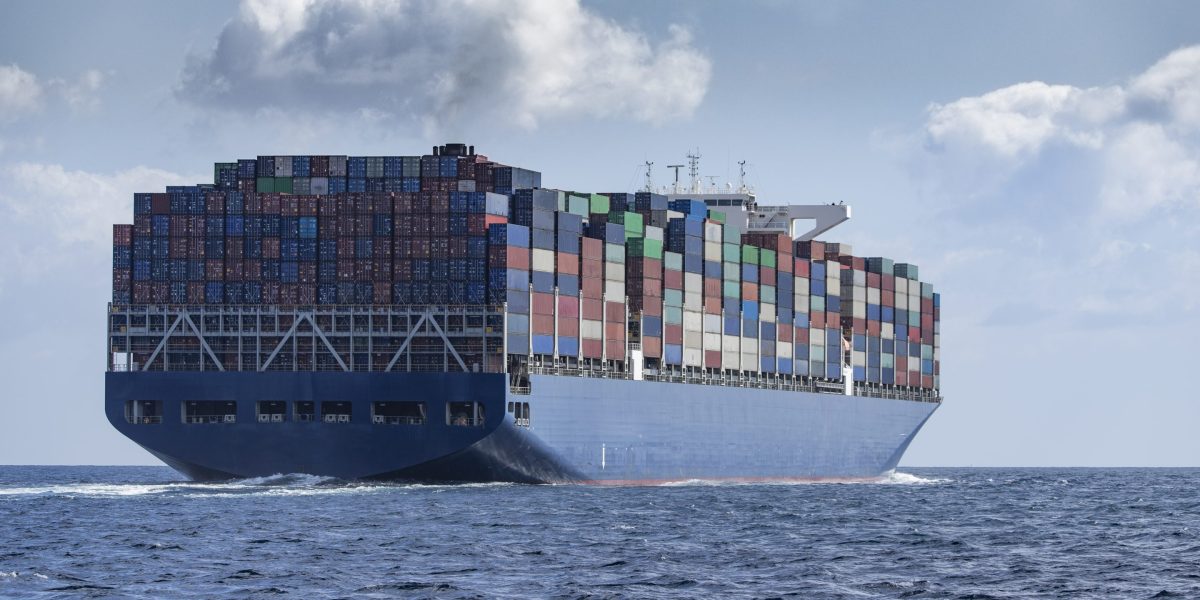
The discerning American consumer, along with the venerable Federal Reserve, is presently navigating the rather choppy waters churned up by President Donald Trump’s tariffs. While these tariffs have been a bit of a bother in terms of inflation, the global economy might actually catch a break.
Contents
Inflationary Pressures and U.S. Consumers
Though U.S. tariffs have not sent prices rocketing as some had feared, inflation is nonetheless a tad higher. This situation complicates the Federal Reserve’s plans for eagerly awaited rate cuts. In July, the latest consumer price index (CPI) rose at an annual clip of 2.7%, a smidgen below the 2.8% forecast, and no faster than June’s pace. However, the core CPI nudged up to 3.1% from 2.9%. According to Capital Economics, tariffs will likely pack more of a punch as the year rolls on.
Stateside, inflation seems destined to climb. While companies have been graciously absorbing tariff-related expenses, such largesse cannot be maintained indefinitely, warn MacAdam and Curtis from Capital Economics. Retailers have been valiantly sacrificing margins but are expected to eventually pass on costs to consumers. With clarity on trade deals emerging, we may soon see an uptick in shop prices.
Global Effects and a Dose of Deflation
However, the rest of the world tells a different tale. Capital Economics believes that U.S. tariffs might not trouble global inflation much, potentially offering a hint of disinflation. Most nations haven’t slapped counter-tariffs on U.S. goods, and some tariffs have even decreased. For instance, Trump’s trade agreement with Indonesia has seen the southeast Asian nation scrap tariffs on nearly all U.S. products, though the U.S. itself has placed a 19% tax on Indonesian imports.
Globally, diminished demand should ease price pressures marginally. The reorientation of Chinese exports from the United States to other markets could also shrink import prices. As explained by MacAdam and Curtis, this dynamic might spell relief for global inflation.
A Remark on China’s Economic Predicament
The tariffs’ repercussions are not uniform. China, with steeper U.S. tariffs than most, faces a more acute predicament. As described by Robin Brooks from the Brookings Institution, these tariffs bring a deflationary jolt to the world’s second-largest economy.
Already teetering on the edge, China’s economy is seeing moribund consumer prices and dwindling producer prices. The trade spat likely exacerbates this situation. Recently, Chinese exports to America have tumbled while they’ve surged elsewhere. Brooks notes that China may be rerouting goods through neighbouring nations with lower tariffs, simultaneously boosting exports to non-U.S. markets. Both strategies are deflationary for China.
This strategy adds transportation costs and diminishes profits, while competing in other markets necessitates price cuts to stoke demand. As Brooks observes, such pressures hurt Chinese exporters’ profitability. For a nation so entwined with exports, and flirting with deflation, this is a concerning scenario.
As the world turns its attention to the 2025 Fortune Global 500, these economic intricacies present a fascinating backdrop. The list remains the quintessential ranking of the globe’s largest companies. Exploring this year’s compilation proves most enlightening.