Contents
A New Chapter in Global Trade Turmoil
When Donald Trump made his announcements on 2 April in the White House Rose Garden, the world indeed trembled. These declarations marked a monumental shift in American economic foreign policy. The aftermath of these policies has sent shockwaves echoing across the globe. As a result, we are now staring down the barrel of a global recession brought on by an escalating trade conflict. The tariffs imposed are not only reminiscent of 19th-century policies but are set to affect nearly every one of Uncle Sam’s trade companions.
Unprecedented Tariffs
Virtually every country finds itself hit with a 10% tariff on imports into the United States. Even remote locations like Norfolk Island with its modest population of 2,188 find themselves inexplicably affected. Yet it is China who bears the brunt. An onerous 34% increase has been added atop already considerable tariffs. Exports from China to the US now face a staggering total burden exceeding 60%.
Targeted Neighbours
Neighbouring countries with close economic ties to China aren’t exempt. Cambodia and Vietnam face tariff hikes of 49% and 46% respectively. But it’s not just rival nations feeling the squeeze. Allies such as Japan face a 24% tariff increase, while the European Union encounters a 20% uptick. This decision has further strained Western alliances, already tested by the Ukraine conflict.
Reactions and Retaliations
European leadership was quick to voice their discontent. Spain’s Prime Minister, Pedro Sanchez, has labelled it a “unilateral attack”, while President Macron of France has termed it “brutal”. Ursula Von Der Leyen, President of the European Commission, signalled a readiness for reprisals, particularly targeting US services and big tech.
The United Kingdom, albeit relieved to be included in the blanket 10%, is mulling a retaliatory tariff list. Interestingly, there’s an attempt to negotiate a better trade deal with Trump, exploring means of securing exemption from this economic warfare.
Market Carnage and Economic Consequences
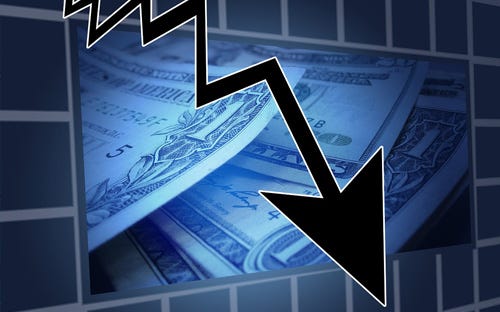
The financial markets have borne witness to a frantic sell-off reminiscent of pandemic-era panic. Trillions have vanished from global indexes, a harbinger of potential recession with no respite in sight. As expert George Saravelos of Deutsche Bank Research aptly put it, “the market is pricing in a global recession”.
For the everyday folk, this spells grim prospects. The neocolonial world risks being plunged deeper into poverty as domestic markets cannot cushion the fall. Inflation may soon intertwine with recession, a dire situation for the working class globally.
Economic ‘Trumpism’
Trump’s rationale rests on hopes of a domestic manufacturing renaissance. However, Stellantis has already moved production, undermining such hopes. Examining the landscape, substantial investment would be essential to salvage US manufacturing. Yet, confidence in potential returns amidst recession remains shaky.
A Bold Path or a Perilous Gamble?
Might Trump revise his stance if economic pressures mount? A retreat could signal weakness internationally. Trump seems unyielding, declaring steadfast commitment to his policies despite volatility and unrest.
A Call to Action
These tariffs could propel nations towards revolutionary struggles. The International Socialist Alternative, where present, strives for building resilient working-class parties, promoting socialist agendas. In this rising tide of nationalism, working-class internationalism stands paramount. We champion neither protectionism nor unrestrained capitalist globalisation, but instead advocate for a collaborative, socialist production plan.
Looking Forward
The urgency of such a socialist programme has seldom burned brighter amidst the unfolding turmoil. It’s high time we rally together, embrace change, and endeavour towards a brighter, united future.