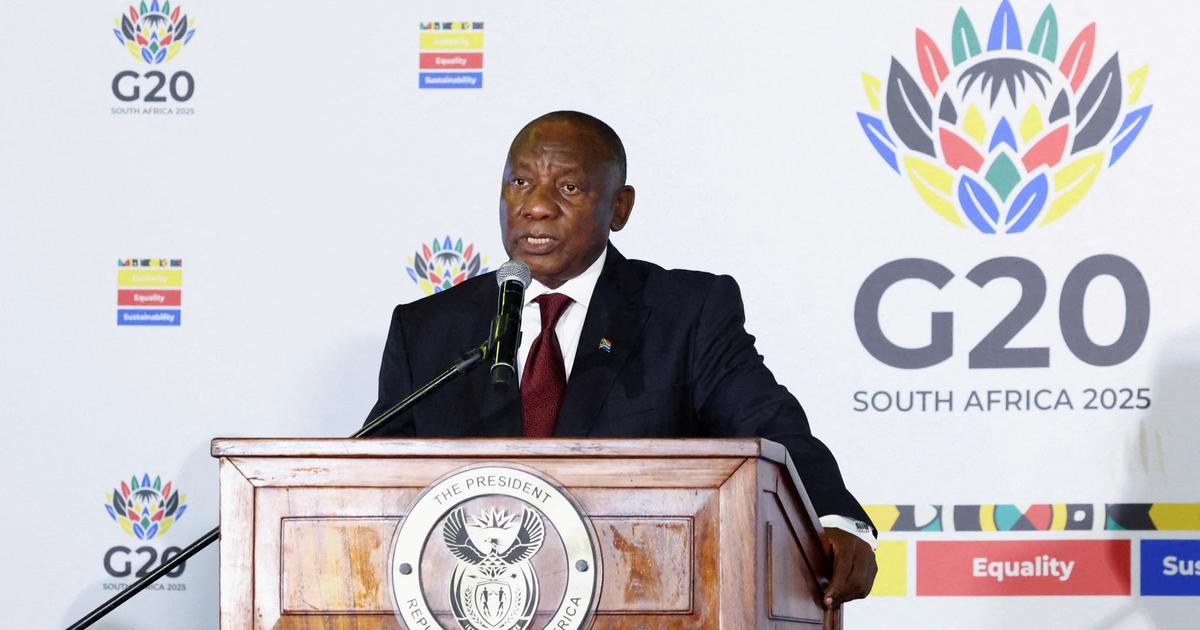
In the bustling heart of Johannesburg, amidst the lead-up to the G20 summit, much of the chatter revolves around the future of multilateralism. This grand notion holds significant sway over business strategies, migration trends, and trade diplomacy in the ensuing years. The crux of the matter is whether Washington’s decision to skip the summit, alongside other leaders’ absence, is merely an aberration or indicative of a long-term pivot towards sheer self-interest.
The delay in progress is concerning. The G20’s “Common Framework,” established post-COVID-19 to expedite debt restructuring, has unfortunately been sluggish. Countries like Ghana and Zambia, at the sharp end, have faced painful spending cuts and tax hikes over several arduous years. It’s hardly surprising that Senegal’s prime minister is wary of restructuring their debt under such conditions.
With a focus on debt relief, a panel of astute experts has penned a report advocating for a multilateral strategy. They propose that G20 economies collaborate with the IMF and other financial bodies to craft a novel debt refinancing scheme. The objective is to assist low-income nations beleaguered by hefty repayments.
This approach is overdue. Last year alone, nearly a third of African nations found themselves doling out more to creditors than they received in new funds. This financial squeeze hampers spending on vital sectors such as health and education. [Learn more about the challenges here](https://www.weforum.org/agenda/2022/05/economic-challenges-africa-2022/).
The experts are urging for less dithering and more action. “The time for incrementalism has passed. We need bold and collective action now,” they assert in their report. But, for all the calls to arms, what remains crucial is establishing a framework that ensures tangible success.
Challenges in Debt Restructuring
- Slow Processes: Frameworks like G20’s have been anything but rapid.
- Economic Strain: Ghana and Zambia serve as cautionary tales.
- Policy Pushback: Leaders, such as in Senegal, remain critical.
Proposed Solutions
- Debt Refinancing Initiatives: Aimed at easing the burden for low-income nations.
- Collaboration with Vital Institutions: Engaging with the IMF for sustainable solutions.
In the final reckoning, replacing mere rhetoric with actionable systems will prove paramount. One can only hope for such evolution as the dialogue continues on this pivotal stage.