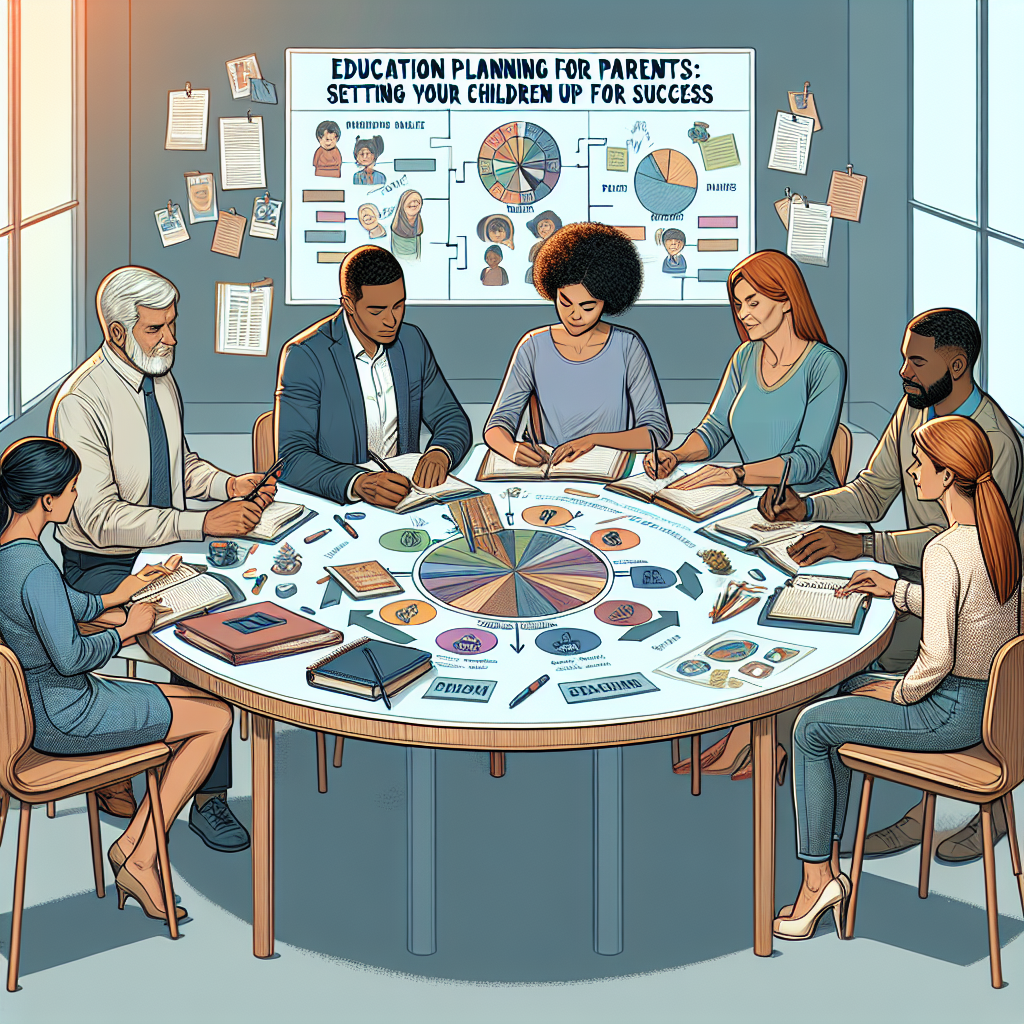
Every parent dreams of seeing their child succeed. It’s natural. We all want to lay a solid foundation for our kids’ future. This begins with effective education planning. The earlier you start, the better you can prepare your child for success. In this piece, let’s dive into the nitty-gritty of what it takes to set the stage for their bright future. You’ll find tips, strategies, and insights to guide you on this journey.
Contents
- 1 Why is Education Planning Important?
- 2 Key Steps in Education Planning
- 3 What are the Potential Challenges in Education Planning?
- 4 Budget Constraints
- 5 Overwhelming Choices
- 6 Knowing What’s Best
- 7 Detailed Table: Educational Planning Checklist
- 8 How to Foster a Growth Mindset
- 9 Encourage Curiosity
- 10 Support Failure
- 11 Celebrate Effort, Not Just Success
- 12 Some Essential Resources for Parents
- 13 In-depth Questions
- 14 How do you choose the right school for your child?
- 15 What role should technology play in education planning?
- 16 How can parents support their child through transitions?
- 17 Conclusion
Why is Education Planning Important?
Education planning is more than just choosing schools and extracurriculars. It’s about shaping the opportunities and paths available to your children. When you plan well, you’re not only saving future costs but also enhancing your child’s learning experiences. It’s like investing in their future with a focused approach.
Key Steps in Education Planning
Before getting into the details, let’s look at some concrete steps parents can take:
-
Start Early
Begin planning as soon as possible. The earlier you start, the more options you might have.
-
Set Clear Goals
What do you want for your child? Think about their strengths, interests, and potential career paths.
-
Budget Considerations
Think ahead about costs. From tuition fees to extracurricular activities, budgeting is crucial.
-
Explore Educational Options
Research schools and programs. Don’t limit yourself to traditional options.
-
Track Progress
Continuously engage in your child’s academic journey. Keep an eye on their growth and development.
-
Adapt and Evolve
Plans might change. Be ready to adapt based on new interests and strengths.
What are the Potential Challenges in Education Planning?
Budget Constraints
Your plans might clash with financial realities. Setting a realistic budget is key. You may need to adjust plans based on your financial capacity.
Overwhelming Choices
The sheer number of options can be overwhelming. Public schools, private schools, charter schools, home-schooling—the list goes on. Each with its pros and cons.
Knowing What’s Best
Determining the best path isn’t always easy. Stay informed and seek advice from experts or community forums.
Detailed Table: Educational Planning Checklist
| Aspect | Considerations | Tips for Parents |
|---|---|---|
| Age to Start Planning | As early as preschool. | Research schools and programs early on. |
| Budgeting | Tuition, materials, extracurricular fees. | Create an education savings plan (e.g., 529 plan). |
| School Types | Public, private, charter, home-school. | Visit schools, talk to teachers, and read reviews. |
| Extracurriculars | Sports, arts, music, clubs. | Align with your child’s interests. |
| Career Guidance | Understanding aptitudes and interests. | Use career assessment tools and talk with counselors. |
| Tracking Progress | Academic performance, social skills, emotional growth. | Regular meetings with teachers. |
| Adaptability | Readiness to change plans based on interests and strengths. | Be open to adjusting the plan. |
How to Foster a Growth Mindset
Fostering a growth mindset is pivotal. It encourages kids to tackle challenges, learn from feedback, and persist despite obstacles.
Encourage Curiosity
Make learning an exciting adventure. Take your kids on educational trips or delve into their favorite subjects at home.
Support Failure
Failure shouldn’t be feared. It’s an integral part of learning. Encourage your child to learn from their mistakes.
Celebrate Effort, Not Just Success
Recognize efforts and hard work more than the results. This will instill resilience and persistence.
Some Essential Resources for Parents
-
Reading Material
Books and articles about child development can provide insights. Check out Setting Kids Up for Academic Success for more.
-
Online Forums and Communities
Engaging with other parents can provide support and exchange of ideas.
-
Educational Consultants
They can provide personalized strategies tailored to your child’s needs.
In-depth Questions
How do you choose the right school for your child?
Choosing the right school can be an overwhelming task. Start by considering your child’s personality. Are they more introverted or extroverted? Some schools focus heavily on academics, while others build holistic skills, including social and emotional learning.
Then, consider location. Is the school easily accessible? A long commute can be tiring and impact your child’s day-to-day life.
School culture is also vital. Visit the school, talk with teachers, and observe how the staff interact with students. Finally, take into account the school’s curriculum and extracurricular offerings. They should align with your child’s interests and future aspirations.
What role should technology play in education planning?
In today’s world, technology is a crucial element in education. It opens up a world of resources, from educational apps to virtual learning platforms. Use tech to access online courses, tutorials, and e-books. They can supplement traditional learning.
However, balance is necessary. Encourage your child to engage in tech-free activities too. Technology should enhance, not replace, traditional education methods. Always monitor your child’s technology use to ensure it’s productive and safe.
How can parents support their child through transitions?
Transitions, like moving from elementary to middle school or high school to college, can be tough for kids. Start by being supportive and understanding. Communicate openly about their feelings and concerns.
Prepare them by discussing what to expect. Get involved in school orientations and transition programs. Also, encourage them to stay connected with friends and find comfort in routines.
Finally, emphasize the positive aspects. New opportunities, friendships, and experiences can make transitions exciting.
Conclusion
Education planning sets the foundation for your child’s future. It’s a journey filled with decisions and adjustments. But with clear goals, proactive steps, and support, you can set them up for success. Start planning today and give your child the best possible start in life.
For more insights on education planning and supporting your child’s academic success, visit Education Insights.
Have any questions or stories to share? Feel free to dive into the comments and let’s talk about it!