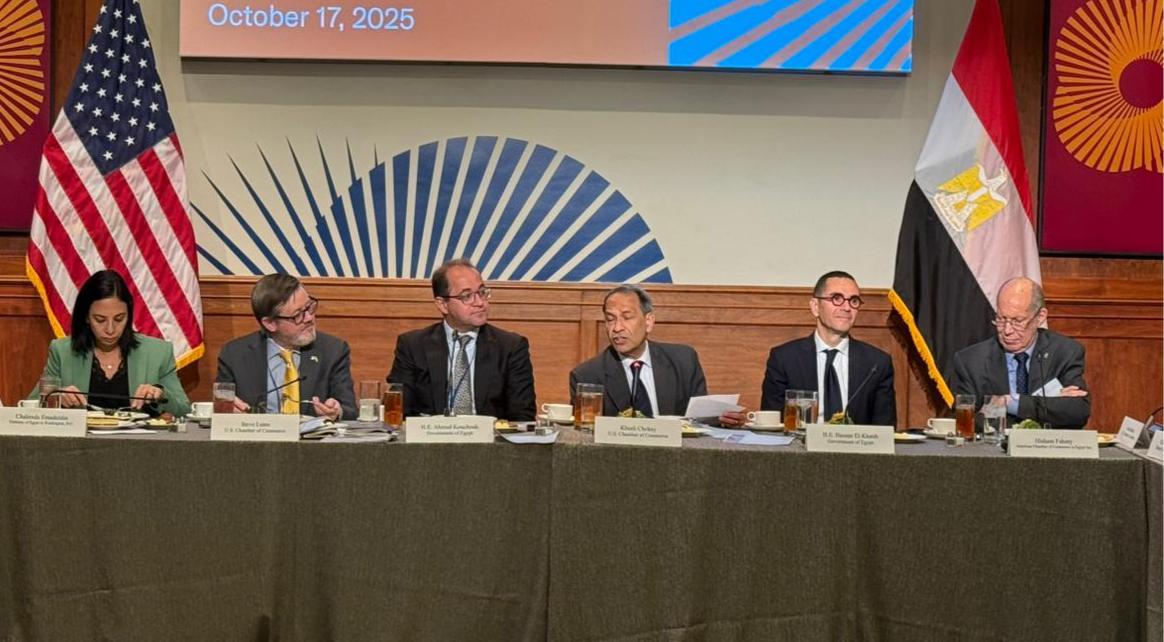
In a bid to bolster American company investments in Egypt, Finance Minister Ahmed Kouchouk asserted the nation’s dedication to fostering economic ties with the United States. This announcement came amidst encouraging macroeconomic indicators suggesting sustained growth.
During his address at the American Chamber of Commerce, held alongside the IMF and World Bank Annual Meetings in Washington, Kouchouk praised Egypt’s private sector. He noted its steady strength within an increasingly competitive business landscape and pointed towards the country’s ongoing economic and fiscal reforms.
He remarked, “Our path forward involves a reliable partnership with the business community. We’re focusing on pragmatic, adaptable approaches to tax challenges.” Egypt’s vision centres on sustainable growth, led by a robust private sector specialising in manufacturing and exports.
Contents
Fiscal Progress and Economic Stability
The finance minister highlighted the first quarter’s promising fiscal indicators. A primary surplus of over EGP 170 billion, reduced government debt, and expanding tax revenues all point to financial stability. This success stems from a broader tax base and improved rapport with taxpayers.
Egypt’s reform programme, progressing positively, is impressing investors and rating agencies alike. Past fiscal achievements have also been shared with the IMF to demonstrate successful outcomes.
Privatisation and New Investment Prospects
Excitingly, the privatisation and public offering programme is set to attract foreign investment into uncharted sectors like airports and telecommunications. The government is exploring financial incentives to encourage firms to list on the Egyptian Exchange (EGX). This initiative aims to boost trading volumes and attract numerous private firms with promising returns.
Role of Technology in Tax Administration
Kouchouk highlighted the transformative role of electronic tax systems, which have simplified compliance and broadened the taxpayer base. “Automation fosters transparency and trust within the tax sphere,” he explained. This was during a panel on digital transformation in tax administration at the annual meetings.
Digitisation not only reduces compliance costs but also appeals to new taxpayers. Moreover, effective technological solutions enhance services and safeguard taxpayer rights.
Developing Skilled Human Capital
The ministry is focused on nurturing skilled personnel capable of managing advanced digital systems. Continuous communication with the tax community is key to elucidating ongoing reforms and their long-lasting benefits.
For further details on Egypt’s economic strategies and their outcomes, you may explore IMF’s official site and the World Bank resources.