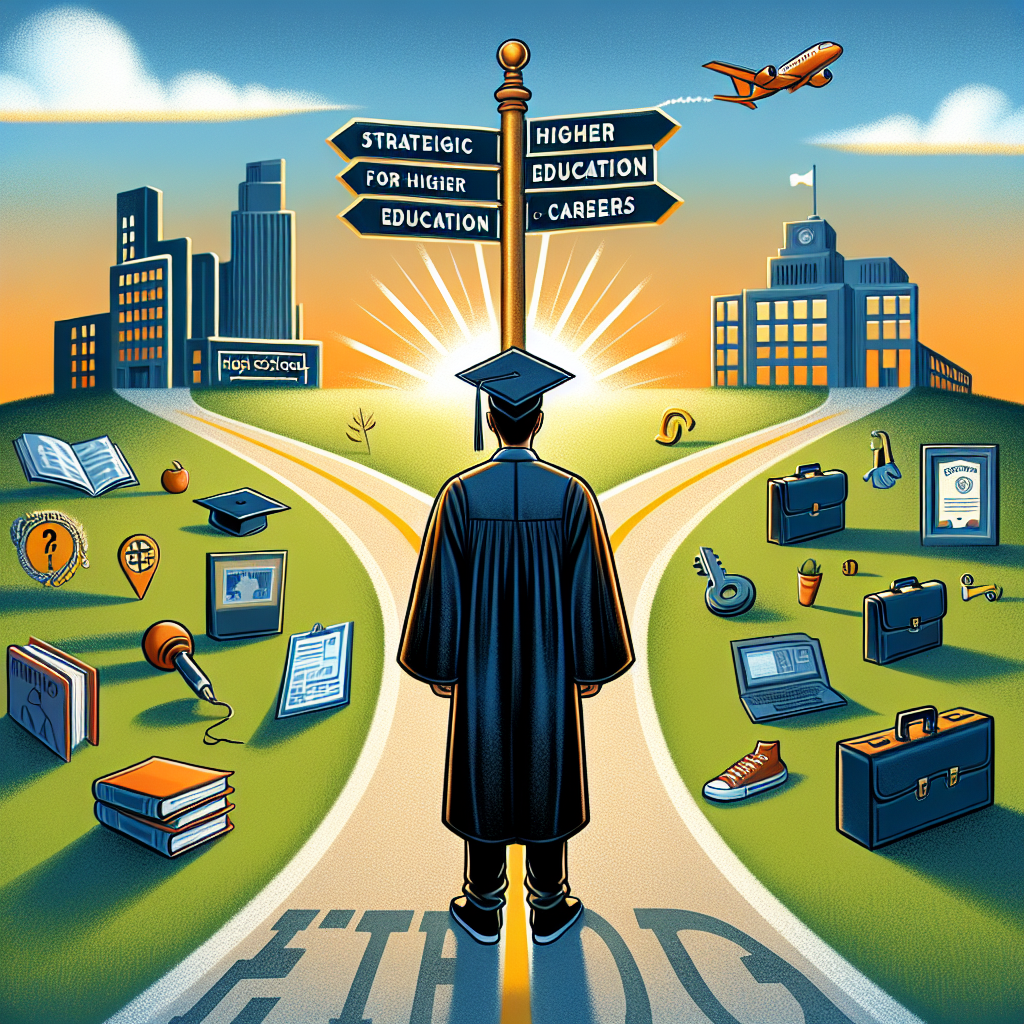
When high school wraps up, the future seems wide open. However, without strategic planning, this vast horizon might appear overwhelming. Nowadays, education and career planning post-high school requires a blend of foresight, flexibility, and even a little luck. Let’s navigate this critical phase and explore the key elements of making informed decisions for higher education and career paths.
Contents
- 1 The Changing Landscape of Education and Careers
- 2 The Importance of Skills Over Degrees
- 3 Strategic Planning Steps
- 4 Self-Assessment
- 5 Research and Exploration
- 6 Setting Goals
- 7 Developing a Plan
- 8 Taking Action
- 9 A Closer Look: Factors to Consider
- 10 Financial Planning
- 11 The Role of Technology
- 12 Networking
- 13 Table: Overview of Strategic Planning Steps
- 14 Modern Challenges and Solutions
- 15 The Pressure of Decision Making
- 16 Balancing Passion with Practicality
- 17 What Are Alternative Paths Besides College?
- 18 Exploring Vocational Training
- 19 Apprenticeships
- 20 Gap Year
- 21 How Do Parents Influence Education Planning?
- 22 Providing Guidance
- 23 Encouraging Independence
- 24 Sharing Experiences
- 25 How Can Students Cope With Stress Related to Education Planning?
- 26 Practicing Mindfulness
- 27 Seeking Support
- 28 Maintaining Balance
- 29 Conclusion
The Changing Landscape of Education and Careers
Education has evolved, and so have careers. In the past, the route was straightforward: high school, college, employment. Today, there are myriad pathways.
Consider the rise of online learning. Platforms like Coursera and edX offer incredible opportunities to learn from top universities without stepping on campus. Also, vocational training has gained ground, providing practical skills for immediate employment. Blending traditional and non-traditional education methods can offer a personalized approach to learning.
The Importance of Skills Over Degrees
Employers increasingly value skills over degrees. Sure, having a diploma matters, but demonstrating technical skills or a great portfolio can tip the scale.
A good starting point is identifying in-demand skills in your desired industry. Then, make a concerted effort to acquire these skills through workshops, online courses, or internships. It’s worth exploring relevant insights about skills in Japan.
Strategic Planning Steps
Planning for higher education and careers is like plotting a journey. Each decision shapes the road ahead. Here’s a structured plan to guide you.
Self-Assessment
Begin with a thorough self-assessment. Understand your strengths, weaknesses, interests, and values. Various tests and tools can aid in this process, offering valuable insights. Knowing yourself is key to aligning your choices with your personal goals.
Research and Exploration
Next, dive deep into research. Look at potential colleges, trade schools, and industries. Compare programs and opportunities. Don’t just focus on rankings; consider culture, cost, and curriculum.
Setting Goals
Define both short-term and long-term goals. Be specific and realistic. If you aim to become a software developer, determine the degree or certifications needed and the time it might take.
Developing a Plan
Craft a flexible plan. Map out steps like application deadlines, financial aid options, and networking opportunities. Remember, flexibility is crucial. Life happens, and sometimes plans need adjusting.
Taking Action
Finally, taking action is where the rubber meets the road. Apply to schools, seek internships, and engage in relevant extracurricular activities. Stay proactive and ready to embrace changes along the way.
A Closer Look: Factors to Consider
Financial Planning
College expenses can be daunting. Start early with financial planning. Look into scholarships, grants, and part-time work options.
The Role of Technology
Technology plays a vital role. Leverage it to explore virtual tours of campuses or use apps for organizing tasks and deadlines.
Networking
Begin networking early. Connect with professionals in fields of interest through platforms like LinkedIn. Attend workshops or webinars to stay updated and gain insights.
Table: Overview of Strategic Planning Steps
| Step | Key Actions |
|---|---|
| Self-Assessment | Identify strengths, skills, and interests |
| Research & Exploration | Explore colleges, courses, and industries |
| Goal Setting | Establish clear short-term and long-term objectives |
| Developing a Plan | Map out steps, including applications and financial aid |
| Taking Action | Apply, engage in relevant experiences, and network actively |
Modern Challenges and Solutions
The Pressure of Decision Making
Today’s students face pressure in decision-making. The fear of making the wrong choice can be paralyzing. But remember, many successful professionals took nonlinear paths. Stay adaptable and open to exploring new directions.
Balancing Passion with Practicality
Pursuing passion is vital but balancing it with practicality is crucial. Choose a path that offers job opportunities while satisfying your interests.
What Are Alternative Paths Besides College?
Exploring Vocational Training
Vocational training provides job-ready skills for specific trades. Fields like healthcare, culinary arts, and tech often offer great vocational programs.
Apprenticeships
Consider apprenticeships as a viable option. They provide hands-on experience and sometimes lead to certifications.
Gap Year
A gap year can be a chance to explore interests without academic pressure. Travel, volunteer or work part-time during this period.
How Do Parents Influence Education Planning?
Providing Guidance
Parents often become the guiding light. They offer advice, insight, and financial assistance.
Encouraging Independence
While guidance is crucial, encouraging independent decision-making is equally important. Let students explore and make informed choices.
Sharing Experiences
Parents should share their experiences. Discuss both successes and missteps to provide realistic perspectives.
How Can Students Cope With Stress Related to Education Planning?
Practicing Mindfulness
Mindfulness practices like meditation can help manage stress.
Seeking Support
Don’t hesitate to seek support from counselors, peers, or mentors. Discussing concerns often brings clarity.
Maintaining Balance
Ensure a balance between academic aspirations and personal well-being. Regularly engage in hobbies or sports.
Conclusion
Beyond high school, strategic planning is the key to unlocking future potential. With resources at our fingertips, let’s make informed choices that align with our ambitions and realities. Whether through a traditional degree, vocational training, or a unique path, the future awaits exploration.
For additional insights, you might want to check out this informative post on education in Japan.