Are you finding yourself twiddling your thumbs longer for a rideshare or as you await your burger and chips delivery? And does it seem a tad pricier than before?
The cause of your woes might well be stricter immigration enforcement. It’s not just about the arrest and deportation of undocumented workers but the pall of fear discouraging others from venturing into similar gig roles. As pathways for legal immigration have dwindled, difficulties mount.
A rather enlightening analysis by the Economy League of Greater Philadelphia indicates the city’s gig economy is under pressure. It thrives on immigrant workers, yet the previous U.S. administration’s drive for extensive deportation is depleting the labour supply.
Contents
What is “enforcement shock”?
The Economy League coined this term to describe both direct and indirect consequences of these policies. Nationally, immigrant arrests are rising. This surge, coupled with the anxiety it breeds, drains individuals from the workforce. Additionally, humanitarian-entry programs and work sponsorships face limitations, causing a significant dip in the foreign-born labour force by around 750,000 since January 2025.
What is the result for those craving a quick meal or ride?
Alas, it’s rather grim. According to the Economy League, ride and food delivery costs skyrocket, waits become tedious, and drivers scarce. Inflation in the city is already higher than the national average, exacerbating matters.
What does “gig work” encompass?
The Economy League’s analysis defines gig work rather narrowly—platform-mediated, on-demand services like those accessed via apps. It doesn’t cover roles such as nannies or domestic help. These labour pools mainly consist of immigrants, often those fresh to the country with limited opportunities.
How extensive is the gig workforce?
Quite substantial, though tricky to quantify. Without local census data, extrapolating from national figures suggests 63,000 to 68,000 gig workers in Philadelphia alone. Gig platforms become a haven for undocumented workers as E-Verify typically bypasses them. However, each day’s wages must outweigh the grim spectre of imprisonment far from home.
Is Philadelphia particularly affected?
Indeed, it grapples with overlapping challenges. An inflation rate of 3.9% surpasses the national 2.7%, gnawing at household incomes. With over 20% of residents living below poverty and many without cars, they face the brunt of increased expenses.
What do ‘higher costs’ entail?
In food delivery, platform fees climbed by 15% annually. Simultaneously, eateries raised app prices by 15-25% to cover commissions. Labour costs now eat 36.5% of restaurant sales, up from 33% pre-pandemic. Roughly 80% of these establishments are understaffed.
Can you illustrate real-world impacts?
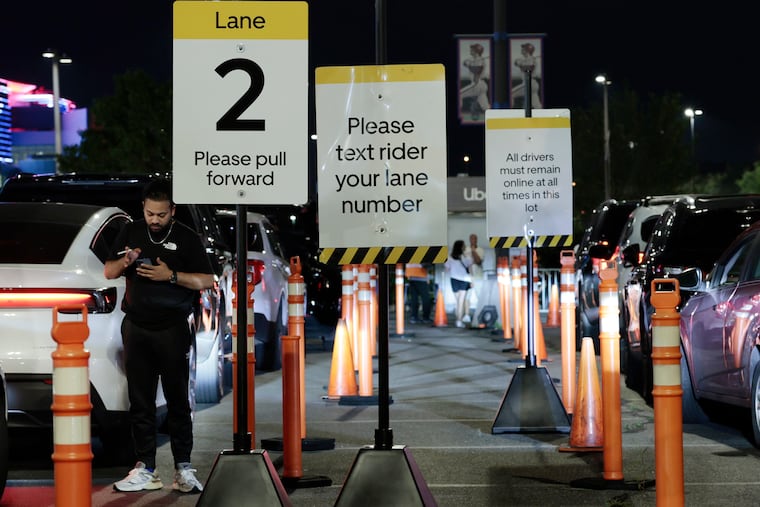
Certainly. Snagging a ride post-Phillies game at Citizens Bank Park? Quite the ordeal with cancellations galore and fares rising by $8 during the wait. Uber’s $10 stadium pickup surcharge epitomises how supply constraints morph into increased costs. And the Philadelphia Parking Authority’s crackdown on “imposter” drivers further compounds supply issues. All these factors drastically reflect how the scarcity of drivers pushes prices upward.