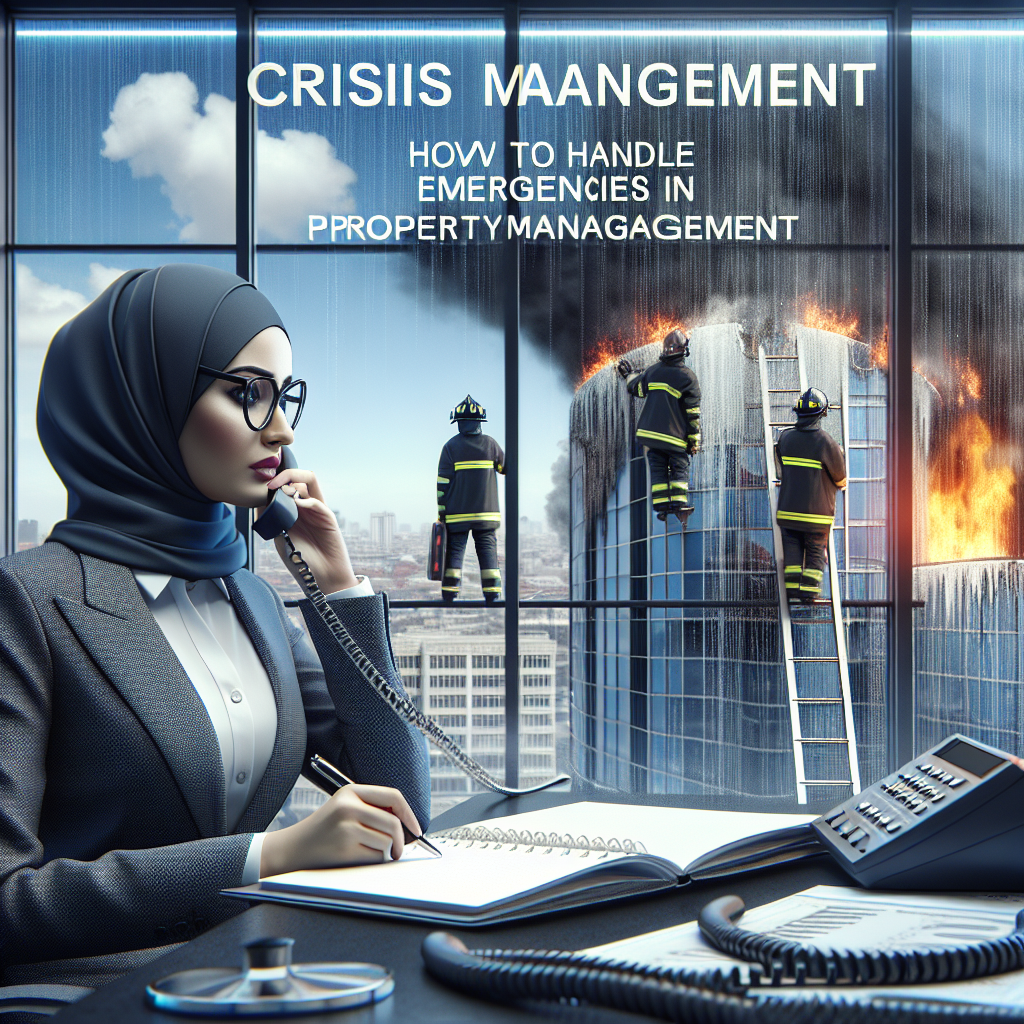
Crisis management in property management isn’t a walk in Central Park. When emergencies hit, it’s like trying to juggle flaming pizzas. You need to act fast, communicate well, and keep everyone safe. Let’s dive into the art of crisis management for all property managers out there, handling everything from plumbing disasters to weather-related chaos.
Contents
- 1 What is Crisis Management in Property Management?
- 2 Common Emergencies in Property Management
- 3 Effective Crisis Management Strategies
- 4 Preparation and Planning
- 5 Response and Recovery
- 6 Detailed Crisis Management Table
- 7 How to Handle Plumbing Emergencies
- 8 How to Address Fire Hazards
- 9 Common Misconceptions About Crisis Management
- 10 Aren’t Emergencies Rare in Property Management?
- 11 Is Insurance Enough to Cover All Crisis Costs?
- 12 Can’t Tenants Handle Their Own Emergencies?
- 13 Why Crisis Management is Essential for Property Managers
- 14 Think of It This Way – A Preventive Approach
- 15 How Can Technology Aid in Crisis Management?
- 16 Use of Apps and Software
- 17 Integrating Smart Building Technology
- 18 Cloud-Based Data Storage
- 19 Tailoring Crisis Management to Your Needs
- 20 In-Depth Questions and Answers
- 21 How do you ensure consistent communication during emergencies?
- 22 What role do regular inspections play in crisis management?
- 23 How can you balance tenant autonomy and property management responsibility?
- 24 Conclusion
What is Crisis Management in Property Management?
Crisis management refers to the strategic approach property managers take to handle emergencies. It involves proactive planning, rapid response, and effective communication. Property managers must be prepared for a variety of situations to minimize damage and ensure tenant safety.
Common Emergencies in Property Management
Property managers face a range of emergencies. Here’s a quick look:
- Plumbing and Water Leaks: This can cause significant damage quickly.
- Fire Hazards: A real danger requiring swift action and evacuation plans.
- Natural Disasters: Include anything from storms to earthquakes.
- Security Threats: Break-ins or vandalism need immediate attention.
- Health Crisis: Like a sudden outbreak of disease.
Effective Crisis Management Strategies
You want a solid plan before chaos hits. Here’s how it can be done:
Preparation and Planning
1. Develop a Crisis Management Plan
Create detailed plans tailored to each type of emergency. Outline procedures, assign roles, and set communication protocols.
2. Conduct Regular Training
Train your team and tenants on emergency procedures regularly. Drills help everyone know what to do and where to go.
3. Establish a Communication System
Use multiple channels, like phone trees and email alerts, to keep everyone informed.
Response and Recovery
1. Quick Assessment
First, figure out the severity of the situation. Know when to call in experts or emergency services.
2. Effective Communication
Keep tenants informed with clear, timely updates. Misinformation can escalate panic.
3. Evaluate and Learn
After the crisis, evaluate your response. Learn from mistakes and update your plan.
Detailed Crisis Management Table
Here’s a handy table to keep in mind.
| Emergency Type | Initial Action | Communication Strategy | Recovery Tactics |
|---|---|---|---|
| Plumbing/Leaks | Shut off main water supply | Notify tenants immediately | Call in plumbing services |
| Fire Hazards | Evacuate building | Alert fire department | Assess damage, initiate repairs |
| Natural Disasters | Follow evacuation protocols | Issue safety instructions | Contact insurance, repair damages |
| Security Threats | Secure premises | Alert authorities | Increase security measures |
| Health Crisis | Notify health authorities | Implement health guidelines | Disinfect, enforce protocols |
How to Handle Plumbing Emergencies
One minute you’re sipping coffee; the next, the floor’s a pond. Here’s how to handle plumbing emergencies:
- Immediate Action: Turn off the main water valve.
- Tenant Communication: Let them know as soon as possible.
- Contact Experts: Call professional plumbers quickly.
- Document Everything: Take photos and notes for insurance purposes.
How to Address Fire Hazards
Fire hazards are no joke. Knowing how to react can save lives.
- Evacuation First: Get everyone out safely.
- Notify Fire Department: Call 911 immediately.
- Assess Damage: Once safe, check for structural and property damage.
- Repair and Inspect: Fix damages and conduct safety inspections before reopening.
Common Misconceptions About Crisis Management
Aren’t Emergencies Rare in Property Management?
Absolutely not.
Emergencies are more common than you think. It’s just a matter of when, not if. With properties being vulnerable to both man-made and natural factors, being complacent is not an option.
Is Insurance Enough to Cover All Crisis Costs?
Nope, not always.
Insurance is crucial, but it doesn’t cover everything. Having a robust crisis management plan limits damage more effectively, saving both time and money.
Can’t Tenants Handle Their Own Emergencies?
They could, but why should they?
Tenants, while responsible for certain actions, rely on property managers during emergencies. Proper guidance and timely action build trust and ensure safety.
Why Crisis Management is Essential for Property Managers
Imagine being in a sinking ship without a life vest. Crisis management acts as that life vest. It protects not just physical assets but also the reputation and trust of property managers. Being prepared for emergencies ensures minimal interruption to business operations and guarantees tenant safety.
Think of It This Way – A Preventive Approach
Being proactive about crisis management is key. Here’s why:
- Cost-effective: It reduces potential damage before costs skyrocket.
- Time-saving: Quick response limits downtime.
- Trust-building: Tenants appreciate knowing there’s a plan.
How Can Technology Aid in Crisis Management?
Technology’s like your best friend in emergencies. Platforms and tools can help streamline crisis management efforts and enhance communication.
Use of Apps and Software
Platforms exist that offer real-time updates and alerts. Property managers can keep everyone informed and coordinate effectively.
Integrating Smart Building Technology
Smart tech in buildings enables automated alerts, like fire alarms or security breaches, helping response times improve significantly.
Cloud-Based Data Storage
Accessing plans and contact lists from anywhere via cloud storage allows for quick action. No more scrambling for that crucial contact number.
Tailoring Crisis Management to Your Needs
Different properties have unique requirements. A bespoke approach ensures all bases are covered.
- Understand Your Property: Know its vulnerabilities and strengths.
- Assess Local Risks: Different areas have different risks. Be it floods, fires, or quakes.
- Work with Experts: Collaborate with specialists to create a comprehensive and realistic plan.
In-Depth Questions and Answers
How do you ensure consistent communication during emergencies?
Clear communication is crucial during emergencies. Set up multiple communication channels:
- Multi-Channel Alerts: Use texts, emails, and calls for redundancy.
- Designated Contacts: Assign a person to handle communications. Use scripted messages to ensure clarity.
- Regular Updates: Frequent and accurate updates are key to keeping panic at bay.
Learn more about effective communication strategies here.
What role do regular inspections play in crisis management?
Regular inspections serve as preventive medicine for properties:
- Early Detection: Spot potential issues before they become crises.
- Compliance: Ensure all safety and legal standards are met.
- Maintenance: Avoid unexpected breakdowns by keeping systems in top shape.
Inspections save headaches and money long-term.
How can you balance tenant autonomy and property management responsibility?
Tenant autonomy matters, but don’t ignore your role as a manager:
- Guidelines: Provide tenants with emergency procedures and contact numbers.
- Empowerment: Train tenants on handling minor issues safely.
- Back-Up Support: Be accessible for emergencies, offering support and expertise.
Creating a cooperative environment is beneficial for everyone involved.
Conclusion
So there you have it. Crisis management in property management is like handling a Broadway show—lots of moving parts, lots of potential drama. But with planning, communication, and technology, you can manage any emergency smoothly. Drive stability, ensure safety, and build trust with your tenants. It’s your cue to take charge.