The intriguing state of the U.S. economy as 2025 drew to a close presented a curious dichotomy. The nation boasted impressive economic growth, yet job creation lagged considerably. This peculiar scenario, where output surges ahead while employment falters, is neither an anomaly nor temporary—but rather a glimpse into the future.
When growth doesn’t equate to hiring
The latest figures from the Commerce Department painted an unmistakable picture: the economy soared with an annual growth rate of 4.3 percent in the third quarter, the highest in two years. Nevertheless, monthly job creation averaged a mere 51,000 posts. This anomaly is explained by none other than structural shifts transforming the very fabric of economic dynamics. As Professor Lawrence J. White from New York University’s Stern School of Business explains, “The economy can expand without hiring much. We’re building a system that runs faster than it employs.”
The tale of two economies
A notable shift is evident from consumer behaviour. Household consumption grew by 3.5 percent, driven largely by affluent households, while investments in automation and artificial intelligence became significantly influential. This dual-speed economy has left some questioning its sustainability.
Joseph Brusuelas, the chief economist at RSM, aptly summarised it: the “great decoupling” of jobs and growth is set to be the leading economic narrative in the coming year. Despite nominal GDP expanding by 8.2 percent, hiring continues to lag, and the discontent is palpable.
Prosperity without perception
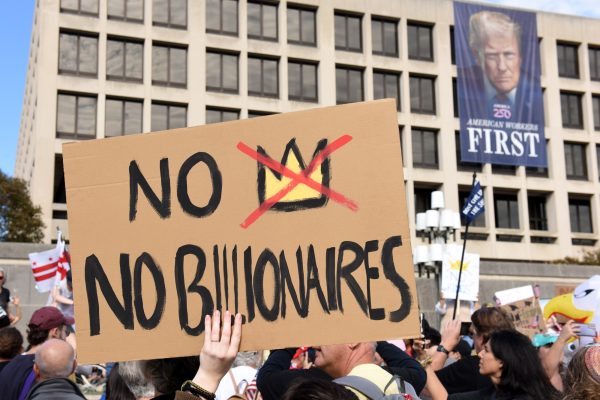
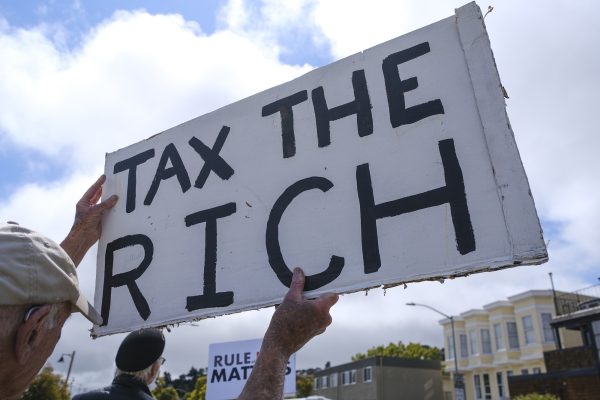
The White House faces a political conundrum. Economic indicators show strength, but public sentiment tells a different story. Voters, especially independents and lower-income Republicans, feel financially strained. According to recent polls from The Economist, 60.4 percent of independents perceive the economy as deteriorating.
This disconnect between the data and lived experiences can deeply influence public opinion. Professor White asserts, “It’s not that people deny the data; it’s that they don’t feel represented in it.”
The curious case of jobless recoveries
Reflecting on previous “jobless recoveries,” as seen in the early 2000s, the current phase appears more expansive. Now, artificial intelligence and digital automation touch nearly every industry. The productivity gains are apparent, yet the employment gains are slow to materialise.
The Federal Reserve’s high interest rates have complicated matters, giving large firms an edge over smaller enterprises. While big corporations automate, smaller businesses hesitate, resulting in a divided economic landscape.
Futuristic outlook
As Brusuelas outlines, growth is projected to stay robust through 2026, propelled by tax incentives and private investment. Inflation persists stubbornly, and the labour market remains subdued. Yet, as is often the case, only time will reveal how these changes impact the broader populace.
| Economic Indicator | Value |
|---|---|
| Annual Growth Rate (Q3 2025) | 4.3% |
| Monthly Job Creation Average | 51,000 |
| Unemployment Rate (November 2025) | 4.6% |
| Nominal GDP Expansion | 8.2% |
| Real Private Demand Growth | 3% |
As the landscape evolves, understanding these intricate dynamics becomes essential. The fascinating interplay between growth and employment is indeed a narrative worth watching.