markdown
Facebook
Twitter
Reddit
WhatsApp
Messenger
Email
Print
Contents
The history of speculation
Ah, the history of capitalism, a veritable tapestry woven with bubbles and bursts. Consider the Dutch tulip mania of the 1630s or the South Sea frenzy of 1720. Even today’s cryptocurrency craze fits the pattern. All are examples of investors pouring their fortunes into valueless ventures, driven by speculation and the feverish hope of making riches without contributing to production.
Regarding these speculative bubbles, they are marked by a lack of genuine value, relying instead on the belief that prices will endlessly ascend. It’s not unlike today’s fascination with Bitcoin, where many anticipate perpetual growth to buy low and sell high.
Tech ambitions and global impact
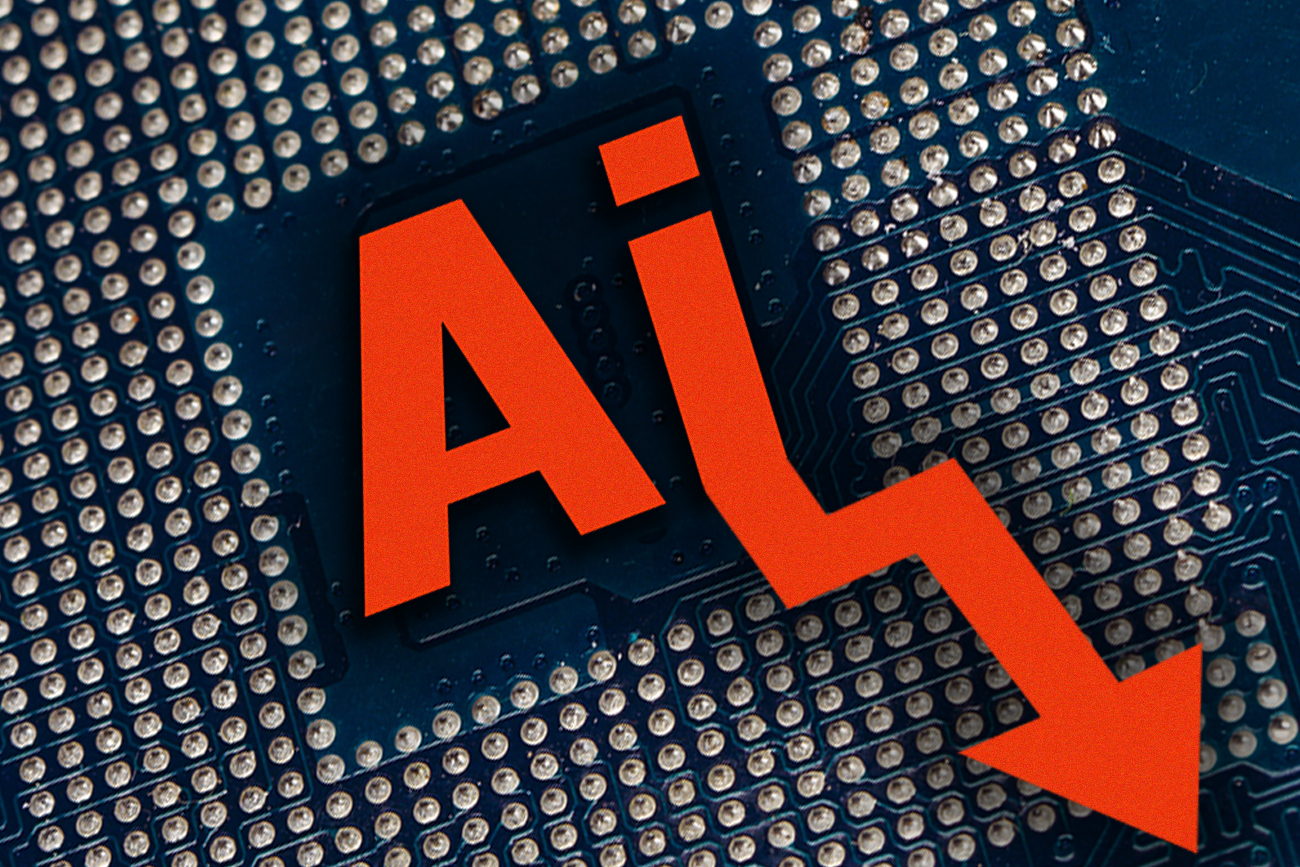
Now, to current affairs. Today, the technology sector is the epicentre of warning bells, focusing on ‘generative’ artificial intelligence (AI). From algorithms to models, and tools like ChatGPT and Gemini, the AI frenzy is drawing attention of investors worldwide. According to sources, Big Tech companies such as Nvidia, Apple, Microsoft, and Google are engaged in intense competition, hoping to rule the roost with artificial ‘superintelligence’ or AI models capable of automating a wide array of tasks.
The ambitions are colossal. In September, OpenAI’s Sam Altman announced a project to build massive data centres across the USA, part of a $500 billion undertaking, supported by President Trump. It’s staggering, isn’t it? Companies like Google, Amazon, and Microsoft are poised to invest monumental sums, potentially reaching $750 billion collectively. For context, the American economy is presently valued at roughly $30 trillion. It paints a picture of speculative lunacy.
Investment and economic distortion
As we reminisce over the railways and the internet, it’s evident that every major technological leap elicits feverish investments, often led by the rich, the hopeful, and even fraudsters. This is not mere speculation, but a fervent entry into nascent markets. Unfortunately, these bubbles can distort economies, with resources channelled inefficiently, leading to economic downturns once the bubbles burst.
This isn’t just a modern-day issue. History tells us that once euphoria fades and boom turns to bust, such investments prompt credit crises and slumps in production, wreaking havoc on the global economy.
The economic underbelly
In reality, AI speculation is not confined to Big Tech. The financial sector, from asset managers like Apollo and Blackstone to shadowy banking systems, is vested heavily in AI. Estimates suggest up to $450 billion in private credit loans are at risk of a tech sector meltdown. This resembles the subprime mortgage debacle that plagued the world economy in 2007.
Interestingly, AI’s tentacles reach deep. The sector, by some measures, is contributing significantly to US economic growth, potentially saving it from recession. Yet, AI threatens other sectors, inflating energy bills due to increased demand for power and resources.
Anarchy in the marketplace
The free market, whilst praised for its efficiency, can lead to bizarre inefficiencies under unbridled speculation. AI technology, rightly hailed as transformational, is being improperly harnessed, drawing comparisons to the railway craze of the 1840s. Back then, Britain witnessed frenzied railway expansion, unsustainable growth, and subsequent economic turmoil. Today’s tech bubble exhibits similar traits with its promise of revolutionising industries, overshadowed by potential devastation upon collapse.
Preparing for revolution
Far from Luddite opposition to technology, it’s worth advocating strategic harnessing of tech advancements for societal benefit. Socialist planning, as compulsory as it seems, offers a potential avenue for economic progress, allowing industry and technology to flourish without being shackled by profit motives.
With historical lessons as our guide, the current AI bubble may be the catalyst, sparking revolutionary changes akin to the seismic shifts seen in the 1840s. The working class grows stronger, demanding leadership ready to navigate impending upheavals.
Facebook
Twitter
Reddit
WhatsApp
Messenger
Email
Print