Measured in dollars, the US economy’s size has grown immensely since 1971. It stands 25 times larger today. Yet, if we measure it by gold—a once-standard unit until 1971—the peak was at the millennium’s turn and has since dwindled. Presently, it is under half the size it was when Nixon severed the greenback’s gold convertibility.
Contents
Gold and the Economy
It’s worth noting that recently gold prices have neared all-time highs, soaring by nearly 50% this year. Investment banks are urging clients to invest in gold to guard against currency debasement. According to an intriguing article in the Financial Times, this isn’t merely idle chit-chat. The significant debt accumulated by Western nations, both public and private, has governments drawn to the notion of currency debasement.
With economic growth rarely surpassing a modest 1% annually, combined with more output allocated to interest payments, repaying these debts appears unlikely. Consequently, many find it irresistible to let inflation run rampant, thereby diminishing the debt. Not only are central banks easing monetary policy, but during Trump’s tenure, there was a clear push for lower interest rates to keep things manageable.
The Gold Standard Debate
Now, various economists argue against the gold standard, claiming a fixed money supply hampers recession recovery. Without the ability to print freely, central banks struggle to spark spending and investment. However, libertarian economists might counter that unrestricted money printing often leads to abuse. Contemporary economies aren’t in recession, yet we observe rising inflation and skyrocketing asset prices, with central banks expanding money supply rapidly.
The Currency Conundrum
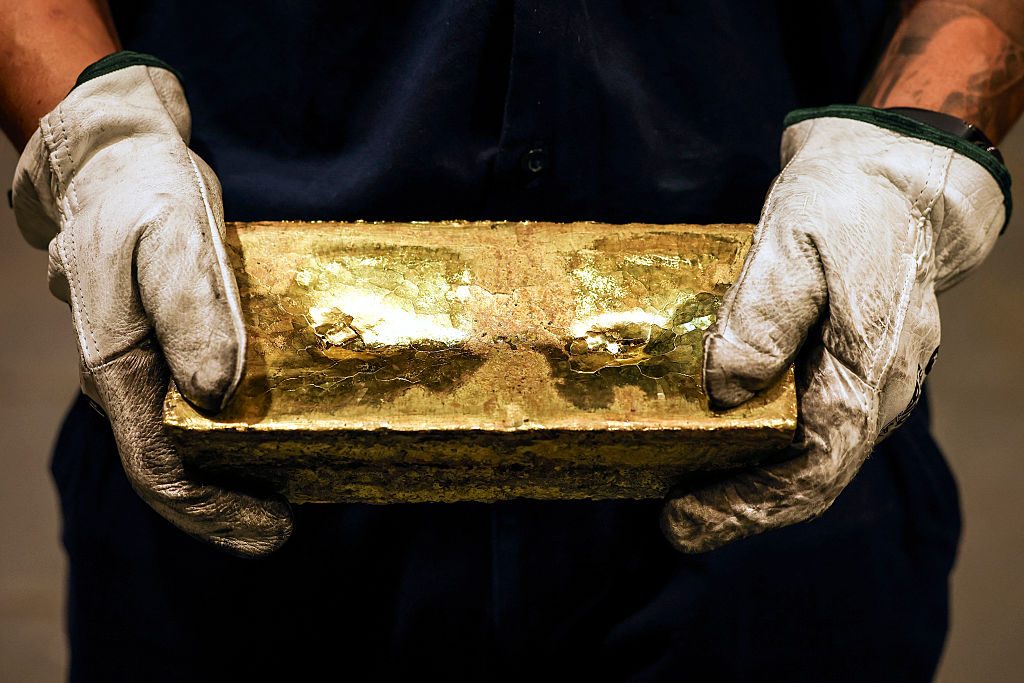
Curiously, central banks are reallocating more of their reserves to gold, shedding fiat currencies as they do so. This has set gold prices on a trajectory likely to pierce the $4,000 mark. An intriguing point some make is that, perhaps, it’s not gold rising in value but currencies like the dollar, euro, and pound losing theirs. It’s hardly persuasive to claim prosperity when money’s worth lessens.
Historical Lessons
The ongoing surge resembles the 1970s when gold prices soared last. That decade concluded with double-digit inflation, sky-high mortgage rates, and ultimately a severe recession. Clearly, the temptation to let inflation blaze to lessen debts benefits debtors but adversely affects creditors, such as pension funds like the US Social Security system. Uncontrolled currency debasement could lead us down a similar path.
In short, as investment banks suggest, it might be prudent for investors to seek refuge. It’s less convincing to declare prosperity when the currency’s value seems ever so fragile. As Winston Churchill advised, understanding history might prevent us repeating its pitfalls.