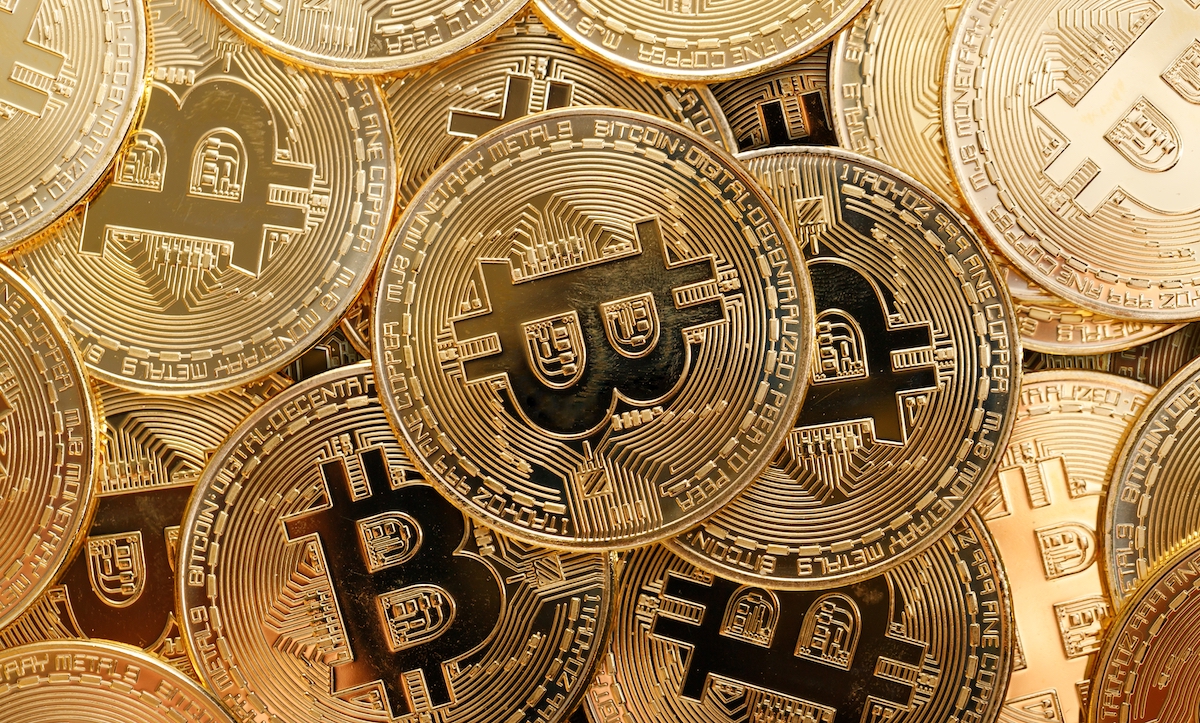
The world of cryptocurrency often thrives on the ambitious visions of tech moguls keen on promoting the next big upheaval.
Thus, when venture capitalist Tim Draper suggested that bitcoin might overtake the U.S. dollar as the world’s reserve currency within a decade, it certainly caught the media’s attention. Draper’s history of audacious predictions and unwavering faith in crypto is well-known.
However, it’s crucial to scrutinise just how unlikely, even bordering on impossible, this scenario could be. Especially now, as the crypto market increasingly regards bitcoin not for its utility, but as a potential store of value.
Fifteen years on, bitcoin has indeed sparked substantial investment and captured global headlines. It’s birthed a subculture of fervent supporters. Yet, it’s failed to gain widespread adoption and hasn’t revolutionised financial systems or processes.
While not to be dismissed outright, bitcoin remains more of a speculative asset. It’s akin to “digital gold” for those seeking a hedge against inflation or instability. It might continue to serve niche needs in censorship-resistant transactions, where individuals opt for anonymity at the cost of stability.
Regulatory and Political Realities
Respecting tech pioneers’ visions for change is one thing. Yet, believing bitcoin will dethrone the dollar is quite another. Traditional governance, scalability, and regulatory integration remain paramount in global financial networks.
Even if bitcoin technology advanced, governments would likely resist surrendering monetary control. The U.S., in particular, benefits significantly from the dollar’s dominance in geopolitics. Thus, relinquishing this would be counterintuitive.
As noted by PYMNTS, “the conversations the media wants us to have now about bitcoin, cryptocurrencies, and blockchain tech have lost sight of the problem that needs solving. As we examine global financial services evolution, what’s truly needed is efficiency, interoperability, and consistency—not bitcoin.”
Benchmarking Bitcoin Against Other Money Movement Innovations
It isn’t bitcoin’s accomplishments that are remarkable, but its persistence in public discourse. Despite underwhelming performance, it keeps garnering attention as if its potential is perpetually imminent.
PYMNTS has frequently discussed how bitcoin maximalists (or maxis) hold significant sway in the crypto realm. To them, bitcoin is unparalleled. They often advocate for strategic bitcoin reserves, insisting its value will skyrocket.
Conversely, real progress in digitising payments unfolds within established financial networks using fiat currencies. These operate under regulatory frameworks that seamlessly scale.
Visa and Mastercard, as examples, are distributed, permissioned systems. They process tens of thousands of transactions per second, outpacing bitcoin significantly. Their evolutionary approach, enhancing speed and reducing friction, contrasts with the disruptive cryptocurrency model.
Bitcoin activities largely consist of internal movements among miners and exchanges, with genuine commerce remaining minute.
Finally, there’s no central bank to stabilise bitcoin crises, nor accepted legal mechanisms to settle disputes. Its transaction capacity is minimal against global demand, and while scaling solutions exist, they’re unproven at a trillion-dollar level.
In conclusion, replacing the dollar as the global reserve currency is not a mere forecast. It’s more a hopeful fantasy than a conceivable reality.
Read more: Bitcoin: 10 Years Of Smoke And Mirrors
See also: From Bitcoin Maxis to Yield Farmers: A Crypto Archetype Glossary