Contents
A Curious Affair: US Tariffs on India
Introduction
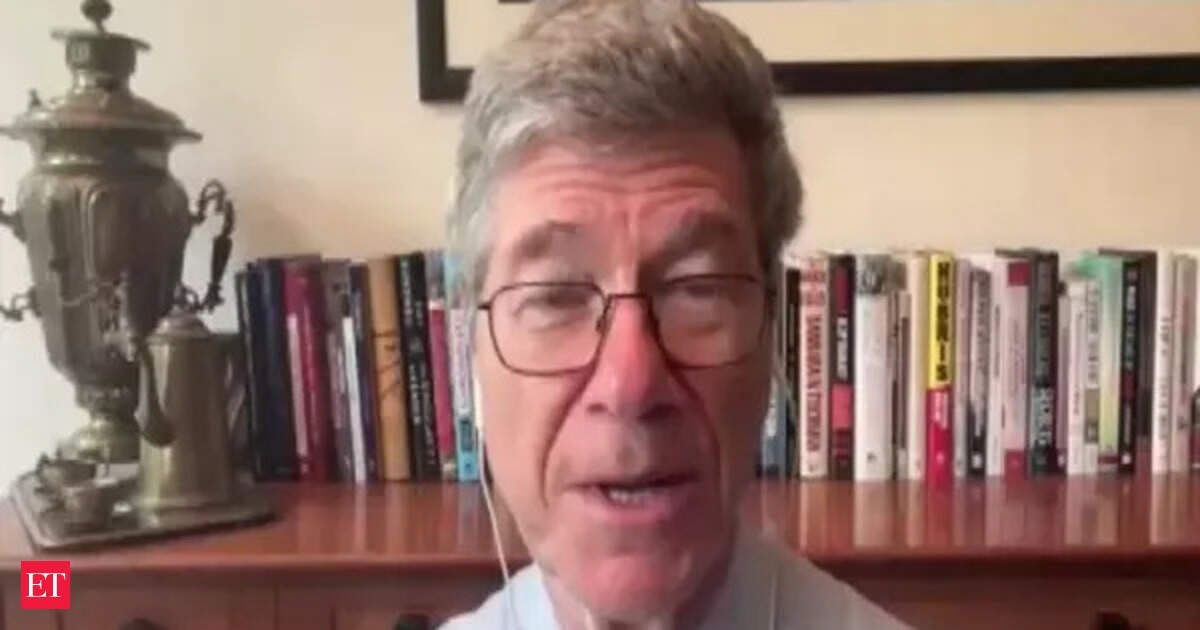
Renowned economist and Columbia University Professor, Jeffrey Sachs, has taken a rather critical stance against the United States’ recent tariff decisions. In a candid conversation with ANI, Sachs described President Donald Trump’s tariffs as “bizarre” and “self-destructive.” It’s quite a damning assessment, if you ask me.
The Tariff Saga
In July, the Trump administration slapped a 25% tariff on Indian goods. This came despite hopes for an interim trade deal that might have avoided such elevated duties. Curiously, a few days later, another 25% was added. That brought the total to 50%, citing India’s ongoing imports of Russian oil. It’s a classic case of adding insult to injury.
Legal Challenges
Sachs didn’t shy away from pointing out the legal quagmire surrounding these tariffs. According to him, they’re not just economically harmful but also a violation of international law. In fact, there’s presently a lawsuit in the US Appellate Court claiming Trump’s tariff decisions breached legal bounds. The case could lead to the tariffs being deemed unconstitutional.
Economic and Geopolitical Ramifications
From Sachs’ perspective, these tariffs are destined to flop both economically and geopolitically. They won’t uplift the US economy, he argues. Instead, they could isolate the nation on the global stage. Sachs elaborated that such policies would bolster alliances like BRICS, which Trump seems to disdain. The BRICS group represents a significant part of the world that wishes for cooperation, not dominance.
Diplomatic Strategy
Sachs lauded India’s diplomatic composure in the face of these tariffs. He commended Prime Minister Modi’s efforts to maintain calm and connect with global leaders like President Xi Jinping and President Putin. According to Sachs, these are India’s real partners, advocating for a multipolar world, as emphasized by President Lula.
A Bilateral Trade Ambition
In March of this year, India and the US embarked on talks to create a mutually beneficial Bilateral Trade Agreement (BTA). The goal: to finalise the first stage by October-November 2025. The US is eager for more access to India’s agricultural and dairy markets, which are vital for many livelihoods.
Executive Orders and Deadlines
On April 2, 2025, President Trump signed an executive order for reciprocal tariffs on multiple trade partners. The tariffs ranged from 10% to 50%. Initially set for a 90-day hold, a baseline tariff of 10% was imposed to allow time for negotiations. The deadline was pushed from July 9 to August 1, with reciprocal tariffs for India announced just before the end.
India’s Response
India’s Commerce and Industry Minister, Piyush Goyal, revealed to Parliament that the government is diligently examining the tariff impacts. They are prepared to take necessary measures to safeguard national interests.
Conclusion
In summary, Sachs’ insights paint a picture of perplexity and potential pitfalls in the US tariff approach. His remarks serve as a reminder of the complexities surrounding international trade and diplomacy. Whatever unfolds, it will undoubtedly shape the future of US-India relations. Wouldn’t you agree?