In the bustling world of consumerism, June proved to be rather more promising than expected. Despite the looming clouds of tariff anxiety and economic uncertainty, retail sales in the United States saw a welcome bounce back. The Commerce Department announced a surprising 0.6% increase in June, a comforting rise following two dreary months of declined spending—April’s negligible 0.1% decrease, and May’s more telling 0.9% drop.
Interestingly, the automotive sector played a significant role in this resurgence. Earlier in the year, American consumers raced to purchase cars and vehicle parts. This scramble was spurred by concerns over President Donald Trump’s proposed 25% tariff on imported automobiles. Unsurprisingly, sales of autos and auto parts surged by 1.2% in June.
Of course, it’s not just cars capturing attention. Americans, it seems, are still willing to indulge a little. Restaurants, a barometer of discretionary spending, witnessed a modest uptick. It appears that despite the worrying tariffs, dinners out are still on the menu for many.
The wider economic picture, however, remains a mixed bag. The economy shrank at a 0.5% annual pace from January through March. Yet, the job market remains oddly robust, and tariffs are consistently being shuffled around. This ebb and flow has led folks to focus heavily on necessities over luxury items like electronics or cutting-edge appliances.
This mixed economic scenario hasn’t deterred the American spirit of spending. Many are buying essentials, occasionally diverting their wallets toward clothes and personal care products. Sales in clothing enjoyed a 0.9% rise, whilst health and personal care climbed by 0.5%. Even online retailers fared well with a 0.4% gain.
Yet, not all sectors shared in the joy. Sales in electronics, appliances, furniture, and department store categories were less than stellar. A particular category excluding volatile sectors such as gas and cars did experience a 0.5% rise, reflecting ongoing spending on some non-essential items.
Heather Long of the Navy Federal Credit Union aptly noted the resilient nature of the American consumer. Despite ongoing uncertainties, consumers seem undeterred, ready to open their wallets when a good deal arises.
However, this confidence might be masking deeper troubles. Richard de Chazal from William Blair warns of possible false assurances. Consumer confidence and markets have suffered after aggressive tariff announcements. Could this mean trouble on the horizon?
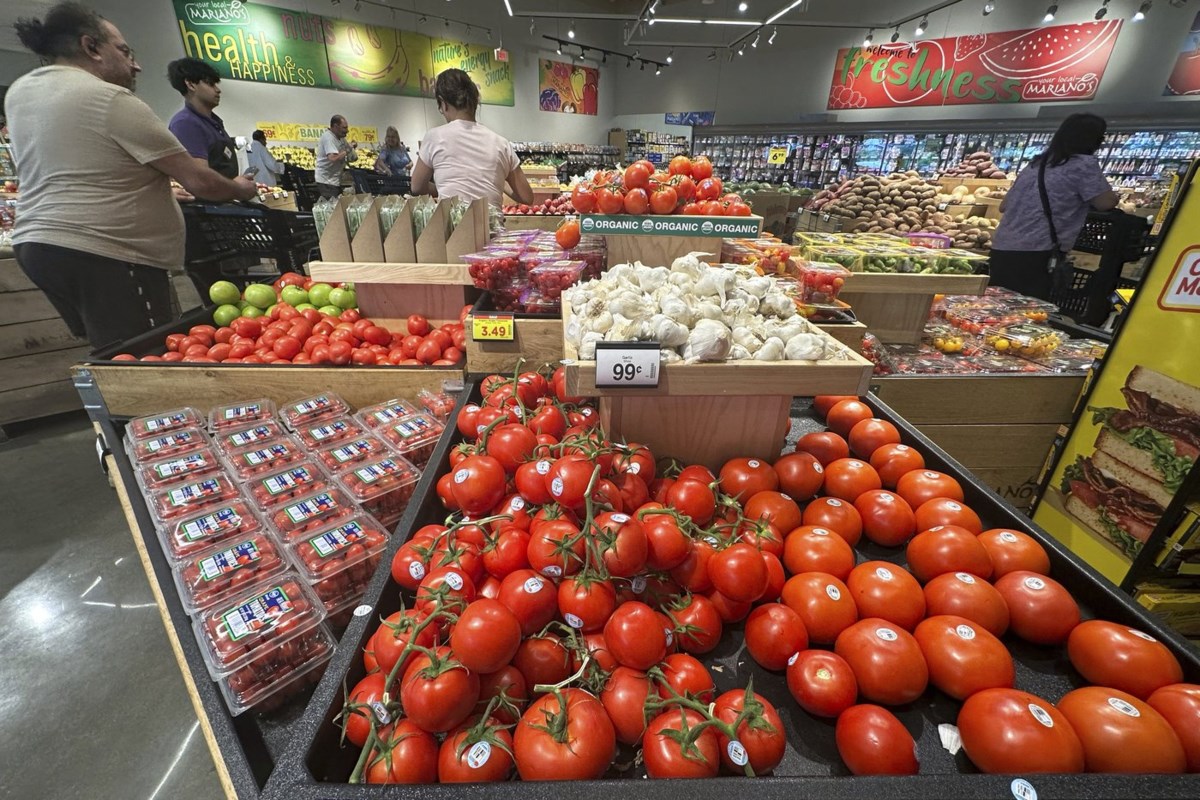
Even the specter of inflation looms large. In June, the Labor Department reported a 2.7% yearly rise in consumer prices—a tangible step up from May’s 2.4% increase. This jump is largely due to tariffs inflating the cost of items from groceries to furniture.
President Trump insists inflation is a non-issue, urging Federal Reserve Chair Jerome Powell to lower interest rates. The central bank, however, remains cautious. They await clearer understanding of tariffs’ impacts before making any rate decisions.
Meanwhile, the retail milieu buzzes with events like Amazon’s Prime festivities, which jostled with competitors such as Walmart and Target. Adobe Digital Insights revealed a whopping $24.1 billion chipped in by excited shoppers—an impressive 30.3% increase compared to the previous year. And yet, most stuck to buying essentials, showing a shift in spending habits.
Optimism, however, is not lost in the retail world. With back-to-school shopping just around the corner, a key shopping period follows the festive spree. It’s anticipated that spending will grow by 3.3% from the prior year. Retailers remain hopeful.
Beyond consumer trends, businesses are cautiously adjusting to the new economic playfield. For instance, Levi Strauss & Co. have trimmed down on underperforming styles and focused on strategic pricing, moving production away from China in response to tariff challenges.
As we march into the future, the interplay between consumer confidence and economic jitters will undoubtedly require careful navigation. Will these spending spirits hold strong, or will the winds of uncertainty steer them astray?
For the full story, pay a visit to the Associated Press webpage.