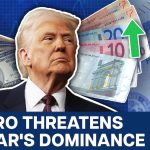
That Escalated Quickly: Trump Tariff Tantrum Tanks Markets, Sparks Hasty Retreat
Man, talk about a week that gave Wall Street whiplash and left trade desks smelling faintly of burnt coffee and panic sweat. Remember all that talk about former President Trump marking his theoretical return with a grand “Liberation Day” celebration for American industry? Yeah, well, the liberation apparently involved liberating trillions of dollars from global stock markets in a single, chaotic afternoon. His proposed tariff bombshell landed like a lead balloon dipped in nitroglycerin, triggering pandemonium and forcing a remarkably swift, albeit partial, climbdown. Buckle up, because this rollercoaster had more twists than a soap opera.

The “Liberation” Heard ‘Round the Trading Floors (and Not in a Good Way)
So, picture this: Trump, rallying the faithful, unveils his economic “day one” agenda. Central to the fanfare? A sweeping, eye-watering package of new tariffs he dubbed essential for “liberating” American workers from the clutches of unfair foreign competition. The headline grabber? A proposed 60% tariff on all Chinese imports. Let that sink in for a second. Sixty. Percent. On everything. From iPhones to industrial machinery to cheap socks. It wasn’t just China in the crosshairs, though. The plan also floated universal baseline tariffs of 10% on imports from everywhere else. Think Germany, Japan, Mexico, Canada, Vietnam – you name it, it got slapped. This wasn’t surgical; it was economic shock and awe.
The stated goal? To supercharge domestic manufacturing, punish “cheaters,” and, in Trump’s words, “make America wealthy again.” Noble aspirations, maybe, but the mechanism? Pure economic dynamite. Analysts immediately started scrambling for their calculators, and the numbers they crunched were apocalyptic. We’re talking about potential price surges across the entire consumer spectrum, massive disruptions to intricate global supply chains that haven’t magically re-shored themselves, and a near-certain guarantee of retaliatory measures that would hammer US exporters. You know, the usual tariff fallout, just dialed up to eleven.
Markets Go Full Tilt: Red Screens and Sirens (Figuratively Speaking)
The financial markets didn’t just react; they practically had a collective meltdown. It was like someone yelled “Fire!” in a crowded theater made of dollar bills. Within minutes of the details hitting the wires:
- Stock indices plummeted. The Dow Jones Industrial Average shed over 800 points faster than you can say “trade war.” The S&P 500 and Nasdaq followed suit, deep in the red. Tech stocks, heavily reliant on complex global supply chains often involving China, got absolutely hammered. Retailers? Forget about it. Billions in market value evaporated in a single trading session.
- Bond markets went haywire. Investors, suddenly terrified of inflation skyrocketing due to import costs and potential economic slowdown, piled into the perceived safety of government bonds. Yields (which move inversely to prices) dropped sharply as bond prices surged. The flight to safety was palpable.
- Currency markets started doing the cha-cha. The US dollar initially strengthened on the perceived protectionism, but then wobbled violently as traders fretted about the global growth implications and potential damage to the dollar’s reserve status if things got really messy. The Chinese Yuan? It took a noticeable hit.
- Commodity prices tanked. Oil, copper, agricultural futures – anything tied to global growth expectations took a nosedive. Traders priced in a severe global slowdown faster than you can say “demand destruction.”
The mood on trading floors was described as “sheer panic.” CNBC anchors looked like they’d seen a ghost. Financial news websites struggled under the traffic load. It was the kind of single-day market carnage usually reserved for genuine geopolitical crises or unforeseen natural disasters. All sparked by a campaign policy announcement. Go figure.
Global Outrage: Allies, Adversaries, and Everyone in Between Chime In
The international reaction was swift, loud, and universally horrified. Diplomats probably burned through their monthly phone bill allotments in an hour.
- China: Predictably furious. Official statements used words like “reckless,” “destructive,” and warned of “resolute countermeasures.” State media went into overdrive, painting it as proof of American bullying. Behind the scenes, you can bet contingency plans involving everything from rare earth minerals to soybean purchases were being dusted off.
- European Union & UK: Stunned and deeply alarmed. European Commission President Ursula von der Leyen called the proposals “a direct assault on the rules-based global trading system.” The UK, despite its own post-Brexit tangles, expressed serious concern about the impact on global growth. Expectations of coordinated retaliation against US exports soared.
- Japan & South Korea: Major manufacturing hubs and key US allies were apoplectic. They saw their vital auto, tech, and industrial exports facing significant new barriers overnight. Their trade ministers were likely drafting strongly worded letters before Trump even finished his speech.
- Canada & Mexico: Our NAFTA/USMCA partners reacted with disbelief and anger. The idea of blanket 10% tariffs after years of painstakingly negotiating a new trade deal felt like a betrayal. Canadian PM Justin Trudeau called it “deeply concerning for North American competitiveness.” Mexican officials were reportedly livid.
- Emerging Markets: Nations like Vietnam, India, and Thailand, which have become crucial links in diversified supply chains, saw their hard-won export gains threatened. The potential for massive economic disruption across the developing world was immense.
The chorus was clear: This wasn’t liberation; it was mutually assured economic destruction. Even traditionally pro-Trump voices in the business community, like the US Chamber of Commerce and the National Association of Manufacturers, issued unusually blunt warnings about the catastrophic consequences for American businesses and consumers.
The Great (Partial) Unwind: Walking It Back, Sort Of
Faced with a financial market inferno and a diplomatic firestorm that threatened to engulf his entire campaign narrative, the Trump team did something… unexpected. They blinked. Within 48 hours – a lifetime in political terms, but lightning fast for policy reversal – signs emerged of a hasty retreat.
The 60% blanket tariff on China? Still on the table, apparently. The core confrontation with Beijing remains central to Trump’s pitch. But the truly radioactive part – the universal 10% tariff on all other countries – got significantly watered down.
Sources close to the campaign (suddenly very chatty with reporters trying to calm the markets) started floating “clarifications.” The 10% wasn’t off the table entirely, but it would now be more “strategic,” perhaps phased in, or potentially applied only to “certain sectors” or countries deemed “non-reciprocal.” They emphasized it was always meant as a “negotiating tool,” not an immediate, across-the-board sledgehammer. It was a classic case of “We didn’t mean it that way, but we also totally meant it, just… differently… maybe later?”
Market reaction to the partial rollback? Relief, sure, but tinged with deep skepticism. Stocks clawed back some losses, but nowhere near the ground they’d lost. The damage was done. The genie of extreme protectionism was out of the bottle, and everyone now knew exactly how volatile and market-sensitive this particular policy plank was. Trust, once shattered like a dropped iPhone screen, is hard to glue back together.
The Lingering Hangover: What This Debacle Really Means
So, the immediate crisis abated somewhat, but the fallout from this wild 72 hours is profound and far-reaching. Let’s break down the real takeaways:
- Policy as Market Kryptonite: This episode proved, beyond any doubt, that Trump’s specific tariff proposals aren’t just theoretical campaign rhetoric; they are potent, immediate market-moving weapons. Investors now have a crystal-clear example of the sheer volatility his stated policies can inject. Expect markets to remain hypersensitive to any further pronouncements.
- The “Negotiating Tool” is a Double-Edged Sword: Trump loves tariffs as leverage. But this showed the leverage can blow up in his face spectacularly. Using the threat of blanket, economy-wide tariffs as a cudgel risks triggering financial panic and alienating absolutely everyone, including crucial allies and domestic business interests. It’s a strategy with massive, inherent downside risk.
- Global Supply Chains Aren’t Lego Sets: Politicians love talking about “bringing jobs home” and “reshoring.” This chaos underscored the brutal reality: global supply chains are mind-bogglingly complex, deeply entrenched ecosystems. You can’t rip them up and rebuild them overnight without causing immense economic pain and disruption. Tariffs are a blunt instrument, not a precision tool for this job.
- The Inflation Ghost is Back: Remember inflation? Yeah, it’s been a problem. Massive, sweeping tariffs are essentially a tax on imports, paid directly by US businesses and consumers. The market’s immediate reaction showed investors believe these tariffs would pour gasoline on the inflation fire, forcing the Fed to potentially keep rates higher for longer. That’s bad news for everyone with a mortgage, car loan, or credit card.
- Alliance Management is Hard (Especially When You Threaten Allies): The furious reaction from Europe, Canada, Mexico, Japan, and South Korea highlighted a fundamental tension. You can’t simultaneously demand unwavering allied support on global security issues (like Ukraine or containing China) while threatening to tank their economies with unilateral tariffs. It erodes trust and goodwill at a time when the US arguably needs it most. The whole “America First” thing gets complicated when you need friends.
- The Campaign Rollercoaster Has Only Just Begun: If this is what happens during the campaign when policy ideas are floated, imagine the potential chaos if these policies were actually implemented. Investors and businesses worldwide now face months of uncertainty, parsing every Trump utterance for clues on whether he means it this time or if it’s just more trial-balloon brinksmanship. It’s exhausting.
The Bottom Line: Liberation or Just a Bigger Cage?
Trump’s “Liberation Day” tariffs promised freedom for American industry. What they delivered instantly was financial market chaos, global outrage, and a stark warning about the fragility of the interconnected global economy. The partial rollback was a necessary firebreak, but it didn’t extinguish the underlying blaze. The core message remains: sweeping, unilateral tariffs are economic poison in a complex, interdependent world.
The episode exposed the yawning gap between populist campaign promises and the messy reality of governing a global economic superpower. It showed that “winning” on trade through brute force tariffs often means everyone loses, at least in the short term. Markets got a brutal preview of the potential volatility ahead. Allies got a reminder of transactional relationships. Consumers got a preview of potential price hikes. And the world got another lesson in how quickly campaign rhetoric can translate into real-world financial tremors.
Whether this leads to more cautious policy pronouncements or just more refined trial balloons remains to be seen. But one thing’s for sure: the phrase “Liberation Day” just took on a whole new, slightly terrifying meaning for anyone with money in the market or a job tied to global trade. Buckle up. It’s going to be a bumpy ride.