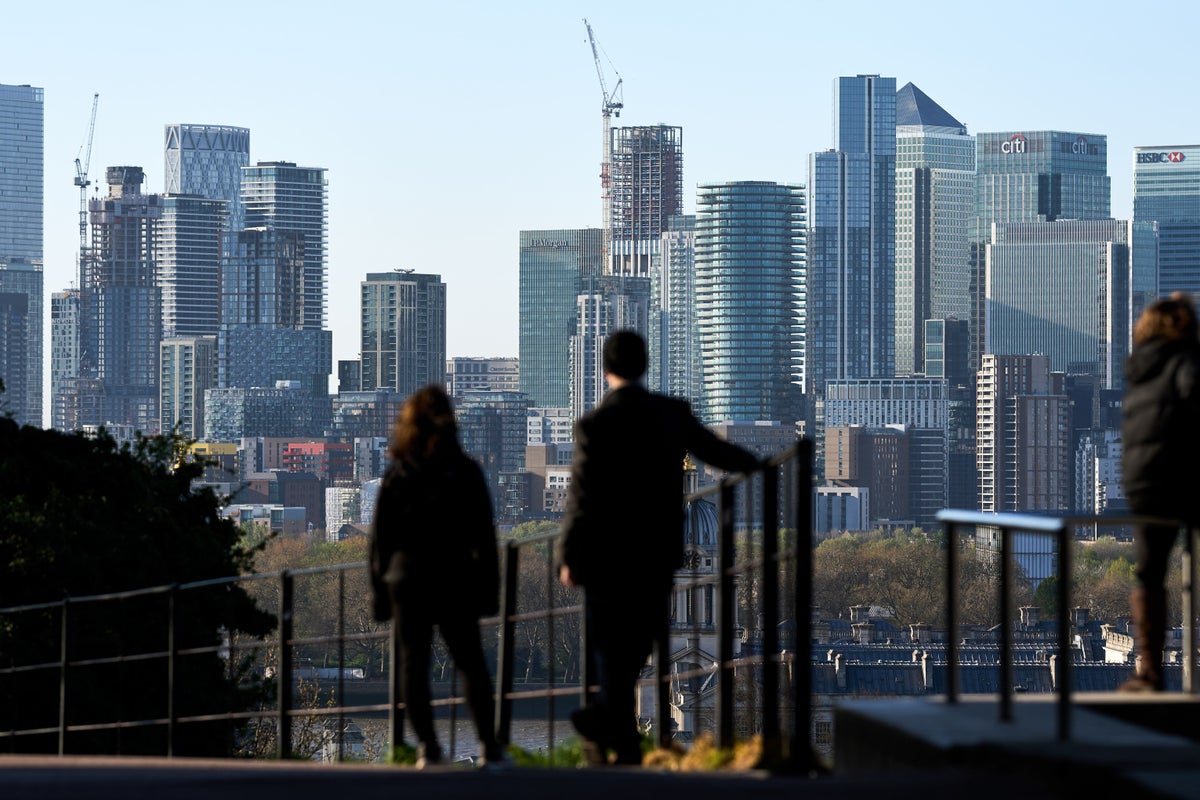
The International Monetary Fund, or IMF, has delivered a rather mixed bag of news for the UK economy. On the one hand, they’ve positively nudged their growth forecast for this year, predicting the economy will see an uptick of 1.2% GDP. Yet, they’ve also sounded the alarm over continued trade tensions. These tensions, stemming from the sweeping tariffs introduced by Donald Trump, are likely to throw a spanner in the works next year, potentially denting growth prospects.
Chancellor Rachel Reeves, a driving force behind the government’s ambitions to invigorate the economy, has managed some recent successes. Notably, the UK clinched a historic trade agreement with the US last month. This agreement drastically reduces tariffs that had been a thorn in the side of British exporters. For instance, tariffs on cars were slashed from 27.5% to a more palatable 10% for a substantial number of vehicles. Moreover, levies on steel and aluminium have been eliminated altogether. However, a general 10% tariff remains on other goods.
Despite these gains, the IMF has cautioned that impending trade tensions may shave off 0.3 percentage points from growth in 2026. Downing Street is acutely aware of this and reiterated, “trade wars are in nobody’s interests.” The emphasis is on bolstering trading ties with both the EU and the US, given they are critical partners.
The Chancellor, undeterred, remarked, “The UK was the fastest-growing economy in the G7 for the first quarter,” and highlighted the government’s successes such as wage increases through the national living wage and tackling inflation, allowing workers to pocket an additional £1,000 over the past year.
The spectre of trade tensions remains, posing risks through “persistent uncertainty” and potentially impacting supply chains and investment. However, the IMF’s report is not all doom and gloom. It suggests that the government’s structural reforms, such as revamping planning rules and increasing infrastructure investment, could spur future growth, provided they are executed effectively.
Looking ahead, the Bank of England provided its own predictions earlier this month. They foresee the UK economy growing by 1% in 2025 and 1.25% next year. The reduction in interest rates to 4.25%—the lowest since May 2023—signals cautious optimism. The IMF echoed this sentiment, suggesting that further gradual easing of monetary policy might be warranted.
For further reading, you might find insights on the economic implications of Trump’s tariffs in this article from the Financial Times.