The recent implementation of hefty tariffs by President Donald Trump has not just stirred the stock market. It’s sent ripples through various economic sectors, creating a wave of apprehension across the United States. The effect is as clear as day, reflecting a shift in the mood of both consumers and businesses.
consumers are shopping scared
The University of Michigan’s Consumer Confidence Index has taken a sharp dive. It’s currently hovering at 50.9. This is a number dreadfully reminiscent of the Great Recession’s bleakest days and not far from the dreariness experienced following the Covid-19 pandemic.
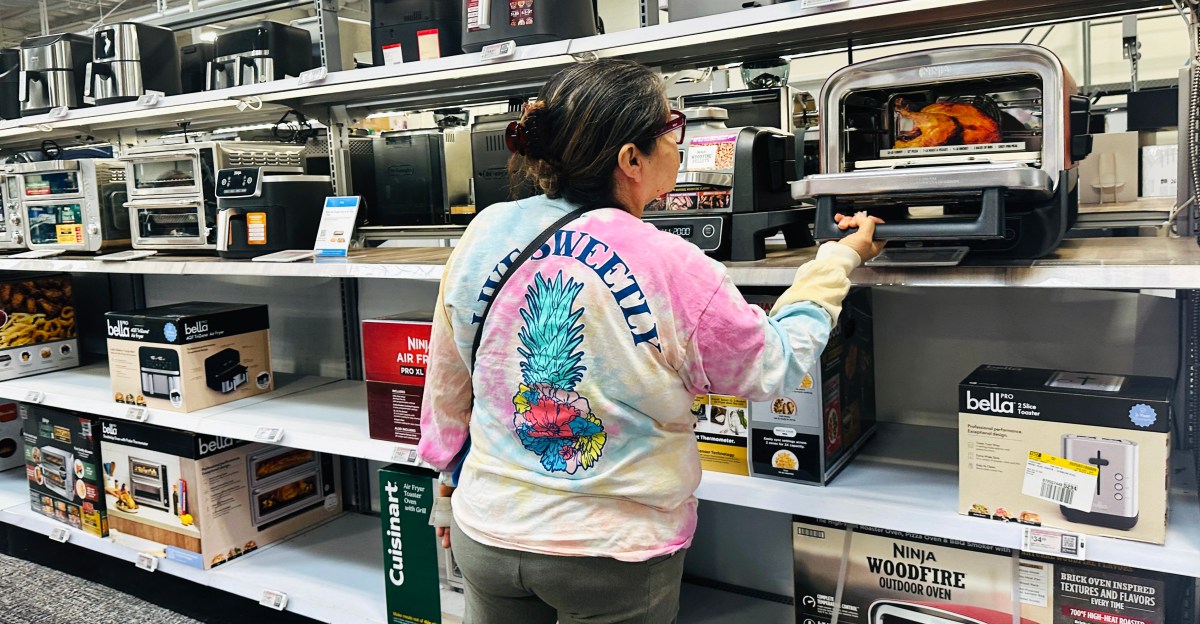
While consumers brace for potential economic turbulence, they’re not completely inactive. Panic-buying is rife, with significant upticks in purchases of automobiles and consumer electronic products. People want to get ahead of impending price hikes—almost like an economic game of musical chairs.
Take motor vehicle sales as an example. March saw a staggering 5.3 percent increase compared to February. This leap aligns with Trump’s announcement of impending tariffs on fully assembled automobiles, set to take effect in May. Similarly, electronics and appliance retailers reported a modest yet notable rise in sales numbers. An 8.8 percent bump is quite telling when you compare it to last year’s figures. It’s simple; folks aren’t taking any chances.
american manufacturing is in trouble
One might have thought that Trump’s tariffs would bolster American manufacturing, with jobs and factories allegedly storming back stateside. On the contrary, manufacturing indexes tell a different tale. Surveys from the Federal Reserve Banks of New York and Philadelphia indicate quite the opposite. The general business condition index for future predictions decreased, creating a gloomy forecast.
Indeed, the New York Fed’s business conditions index has dropped to a mere 7.4. It’s quite alarming; it’s lower than most readings in over two decades. Meanwhile, Philadelphia’s numbers plummeted to -34.2, their lowest since the pandemic’s early onset in April 2020. This downturn betrays Trump’s expectations, revealing that manufacturers are struggling mightily.
While domestic manufacturers attempt to adapt, economic uncertainty casts a looming shadow over their plans. Curiously, these manufacturers often refrain from critiquing the tariffs aloud, instead showcasing their aggressive investments in US operations. They aim to show resilience amidst potential trade turmoil.
Is there hope that Trump will capitulate under the pressure from industry leaders and nervous consumers alike? The Economist describes these tariffs as possibly the most confounding economic misstep of our times. Yet, changing his mind might prove harder than hoping for orderly queuing at a busy London Underground station during rush hour.
In the meantime, as the economic tremors continue, it remains a waiting game. Will Trump’s economic assault course lead to unintended recessions or somehow bring about a revivification of American manufacturing? Only time, and possibly history books, will tell.